
Stud Earrings


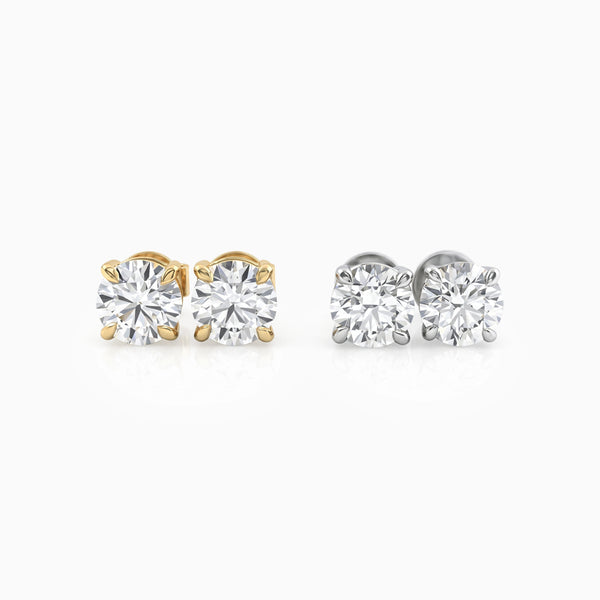
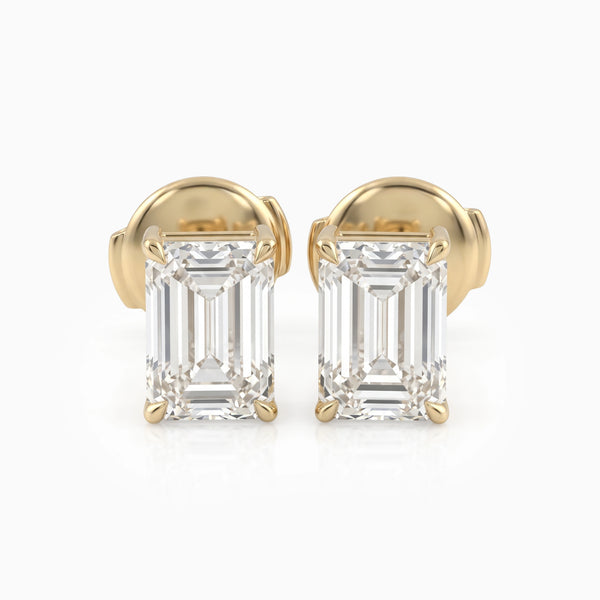
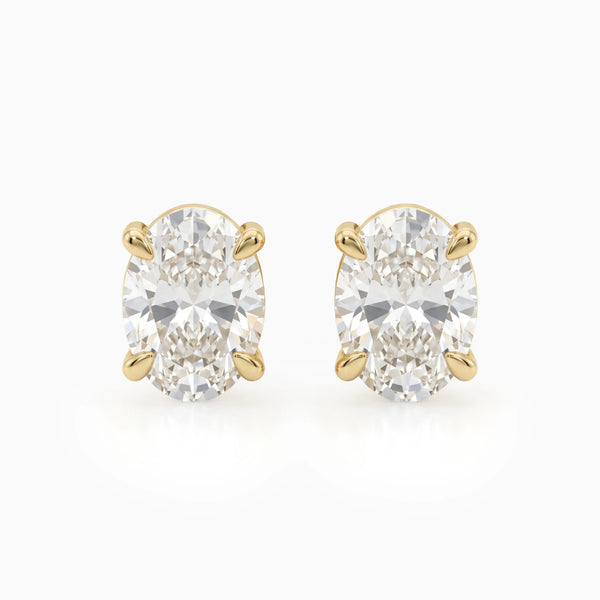
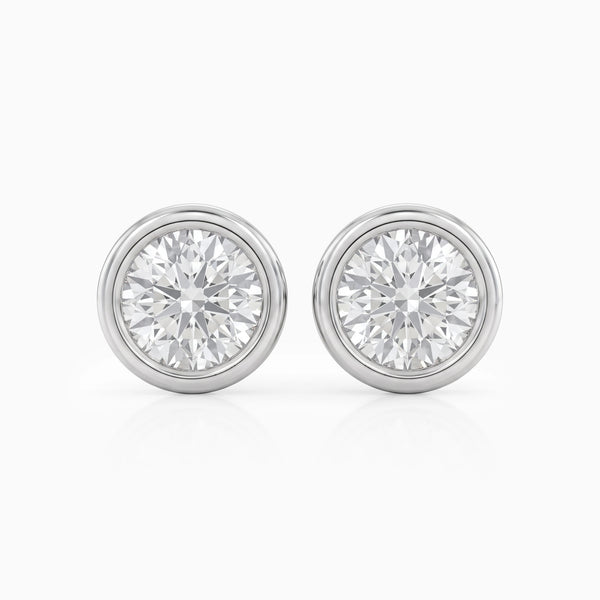
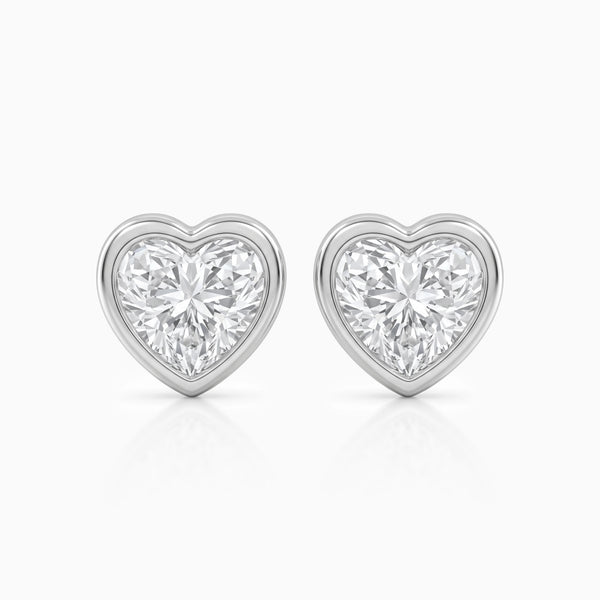
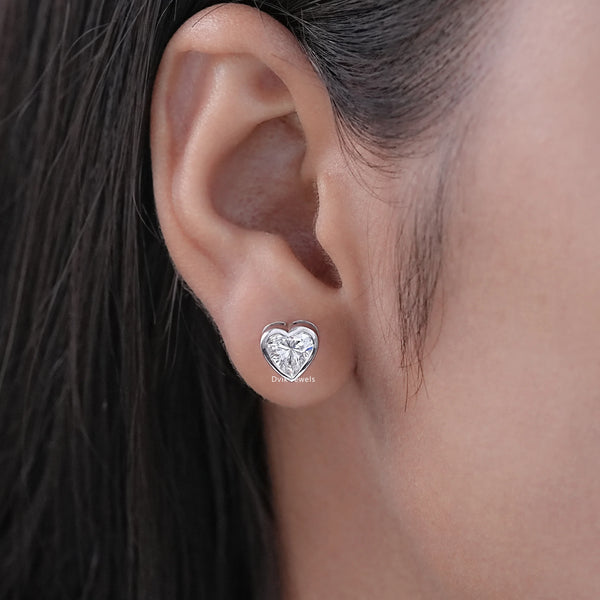

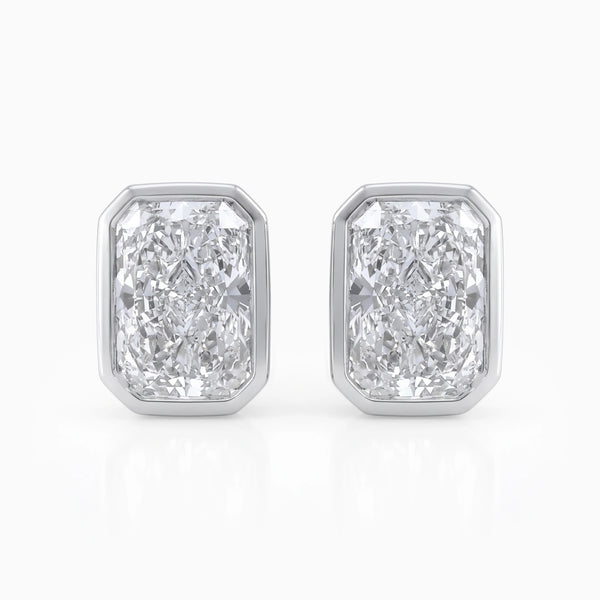
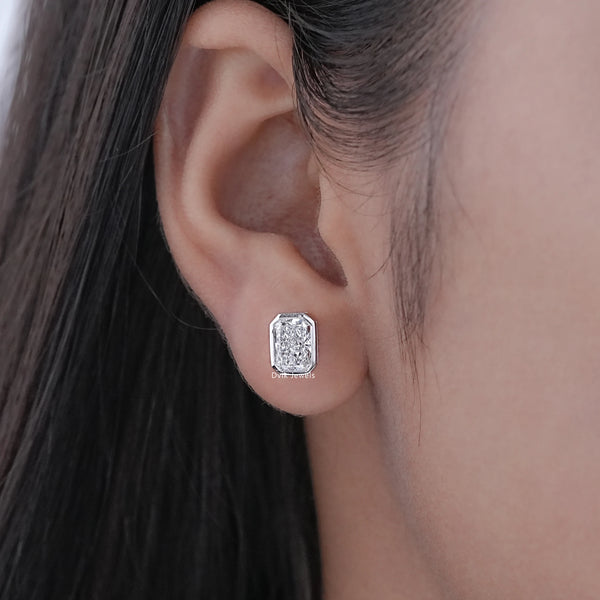
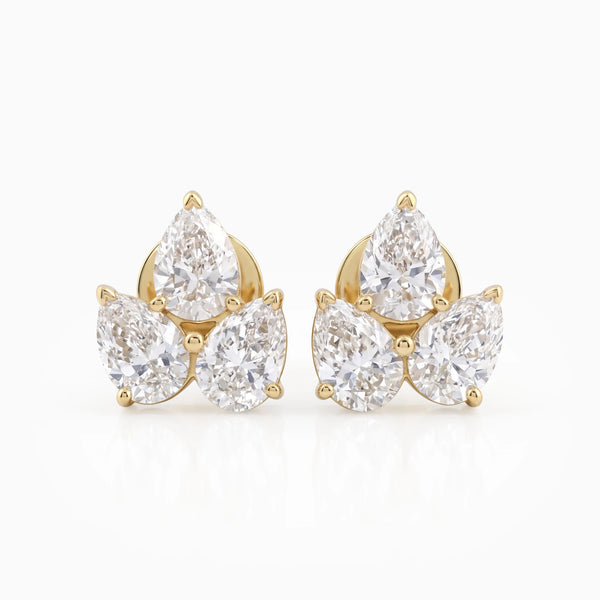
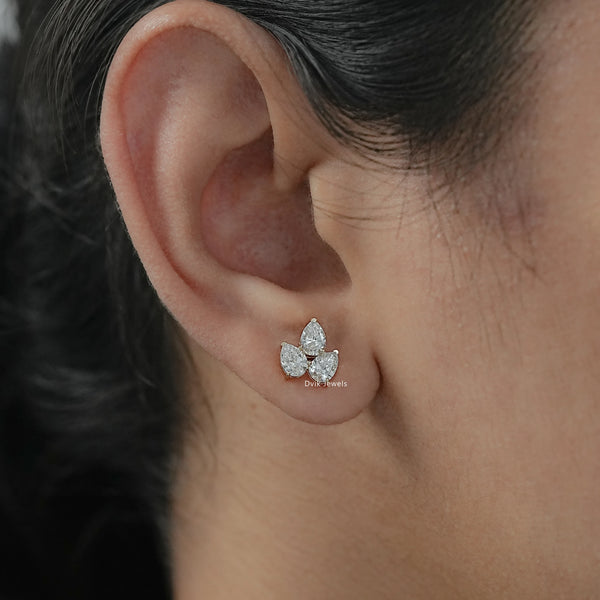
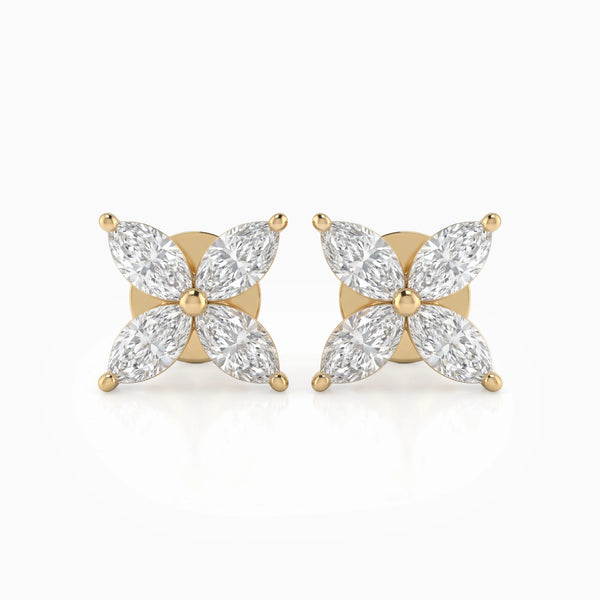
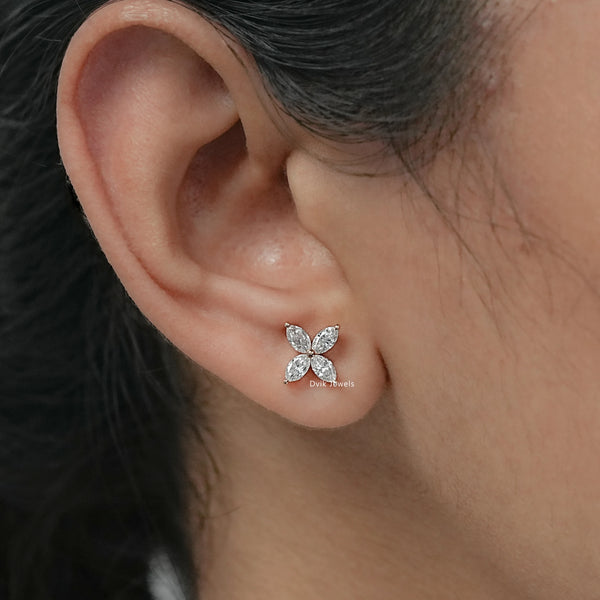
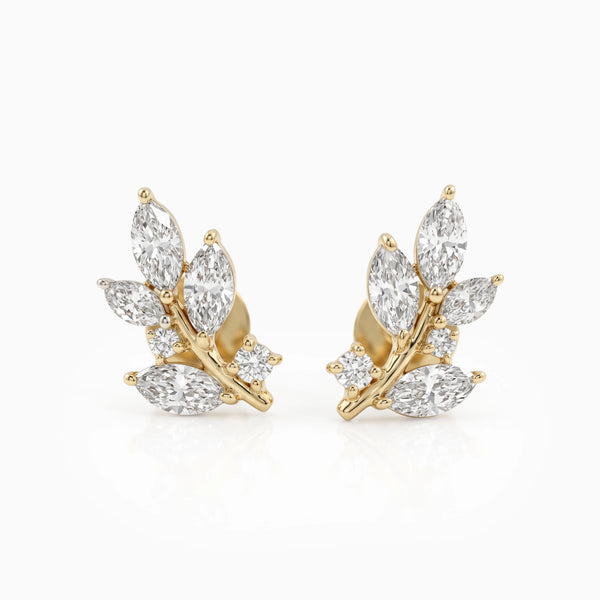
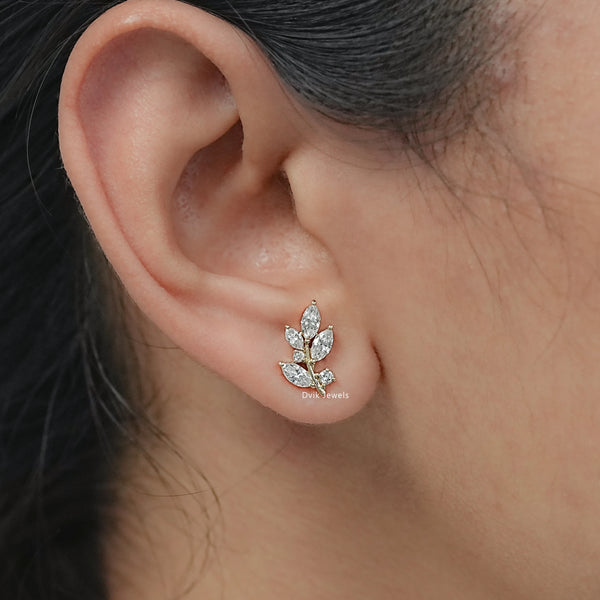
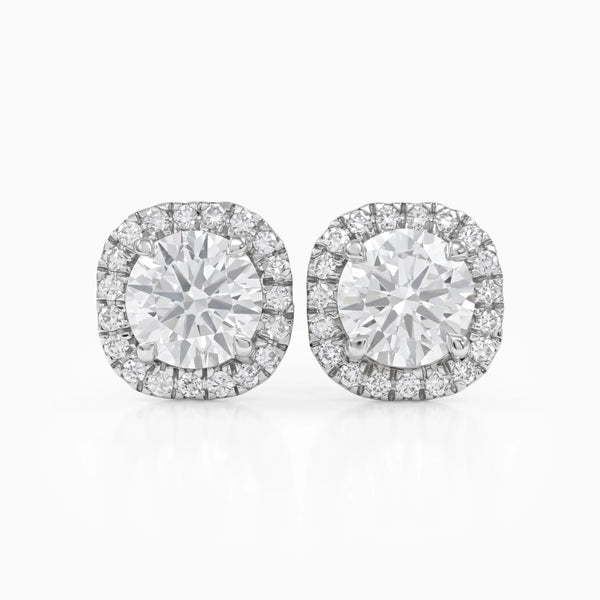
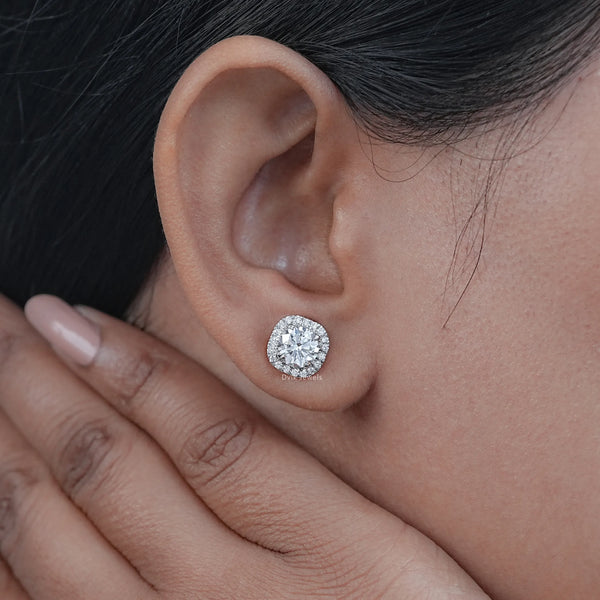
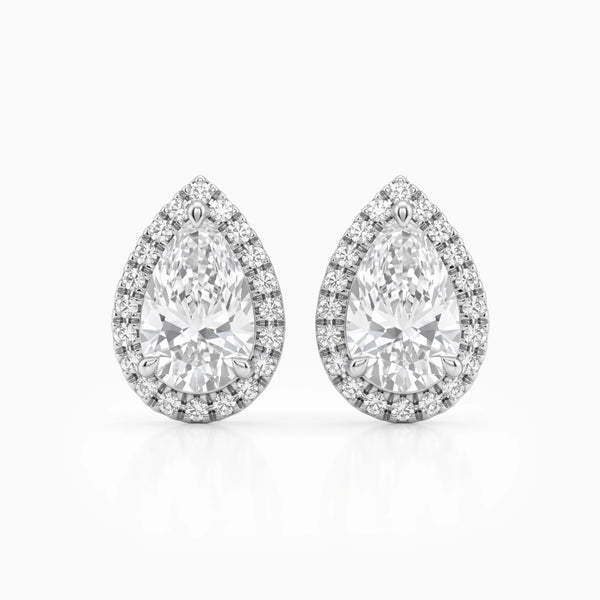
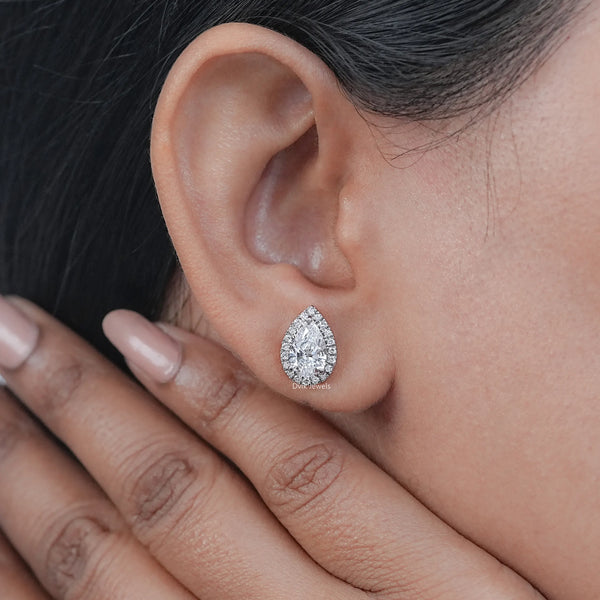
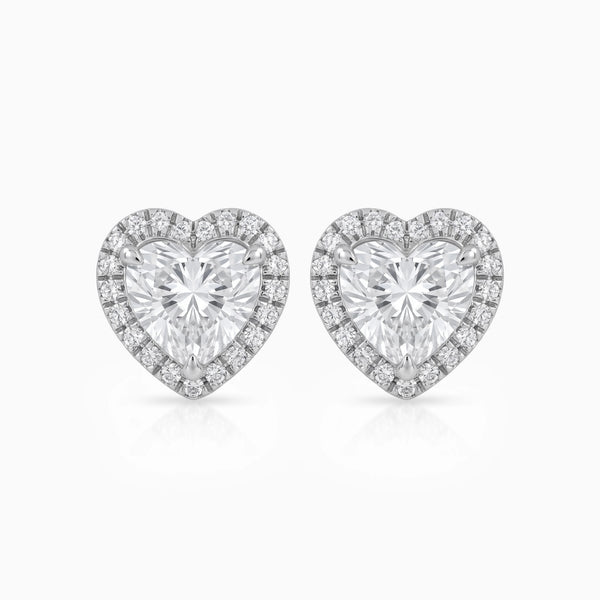
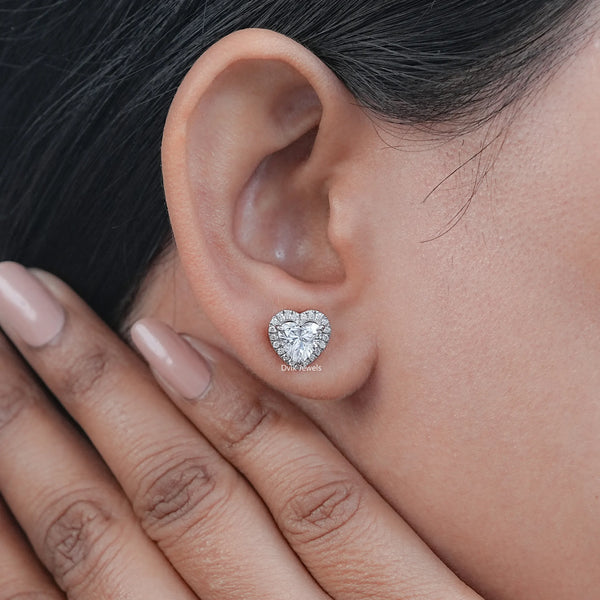
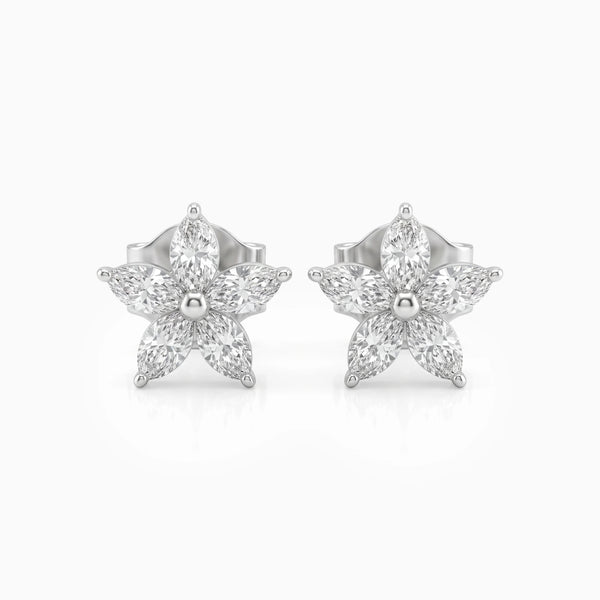
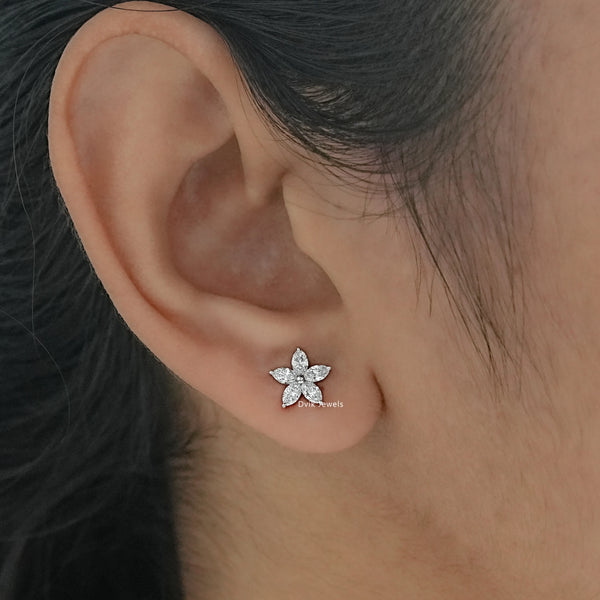
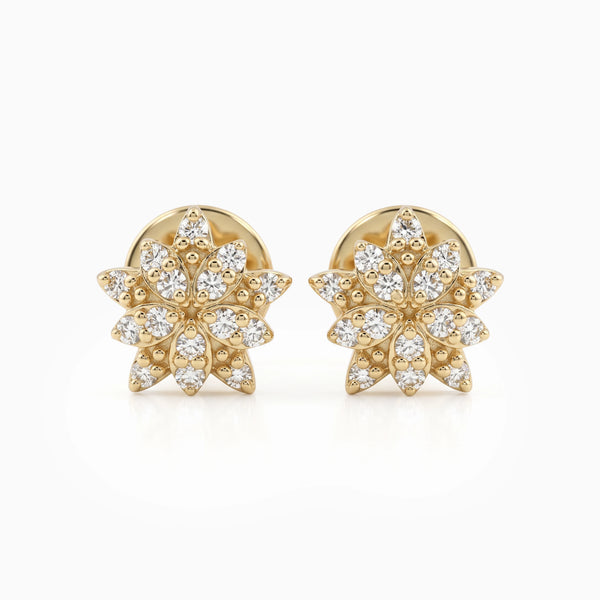
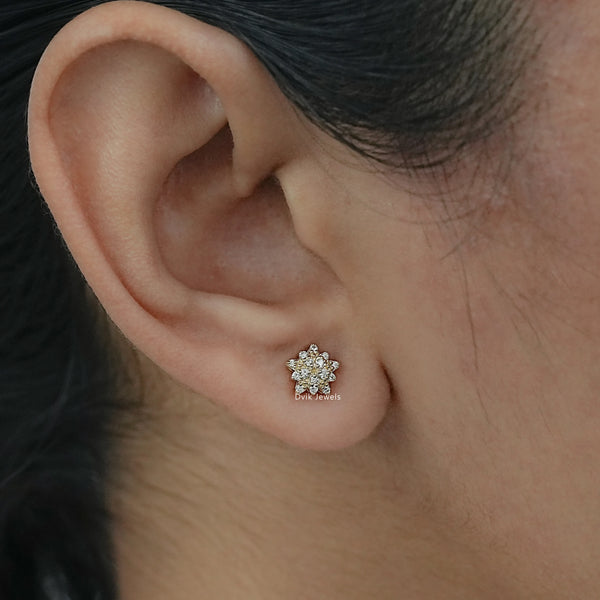
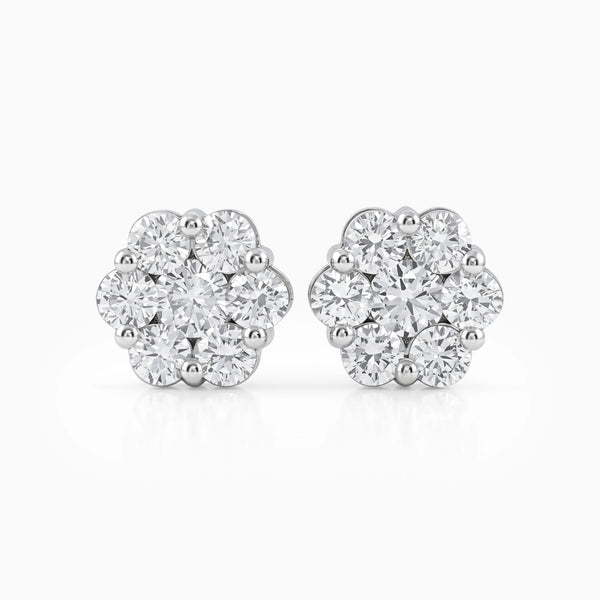
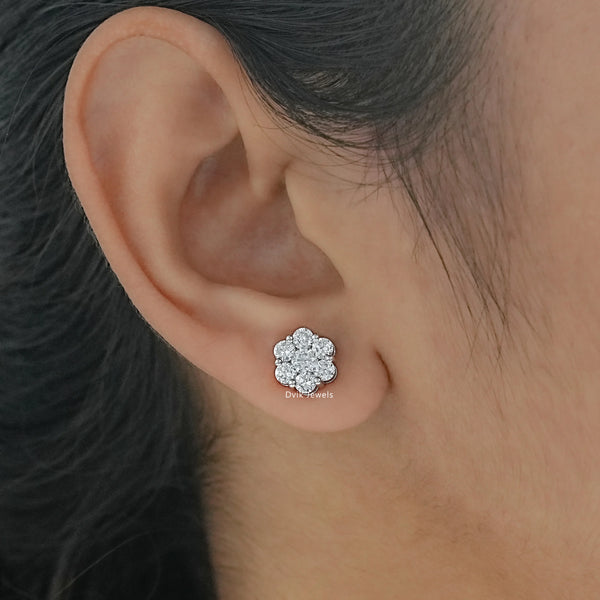
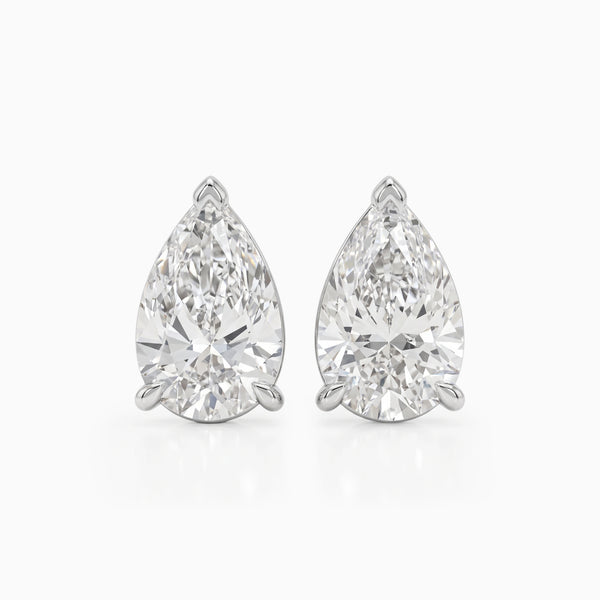
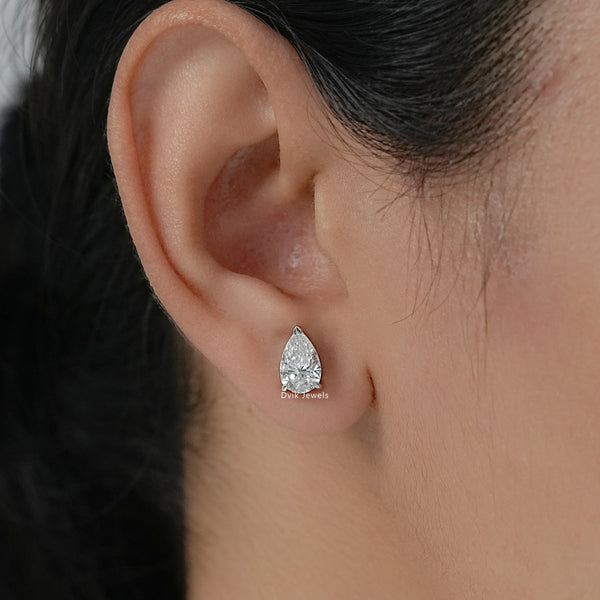
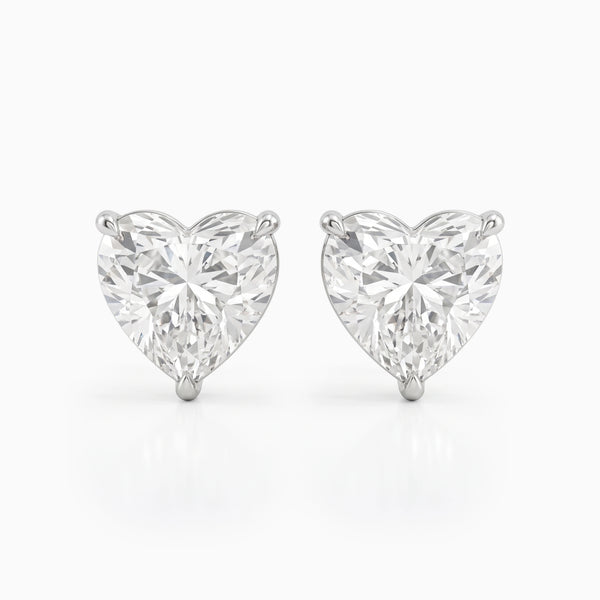
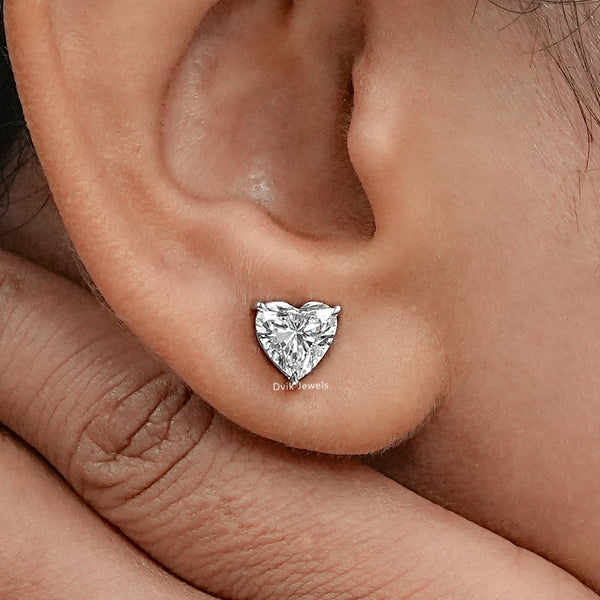
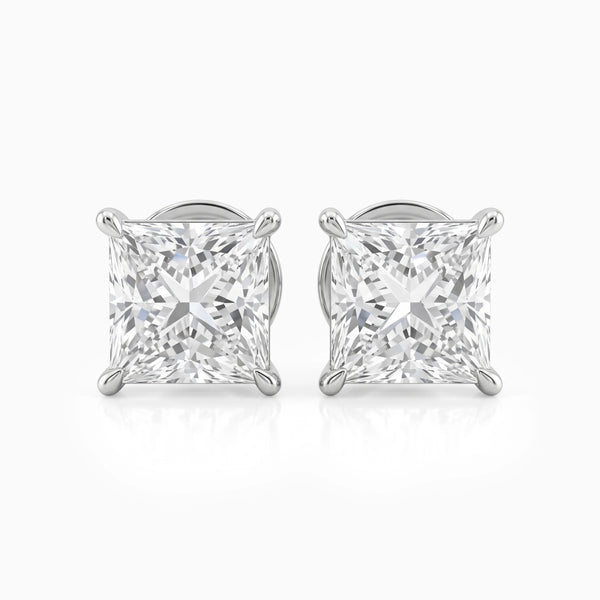
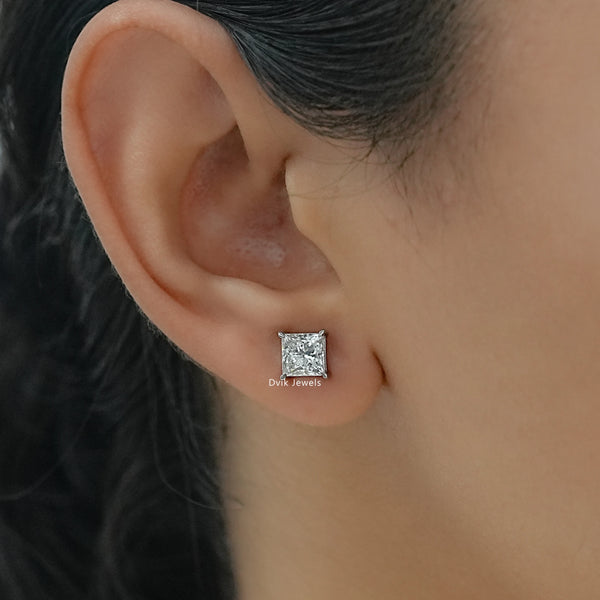
Lab Grown Diamond Stud Earrings
Collection FAQs
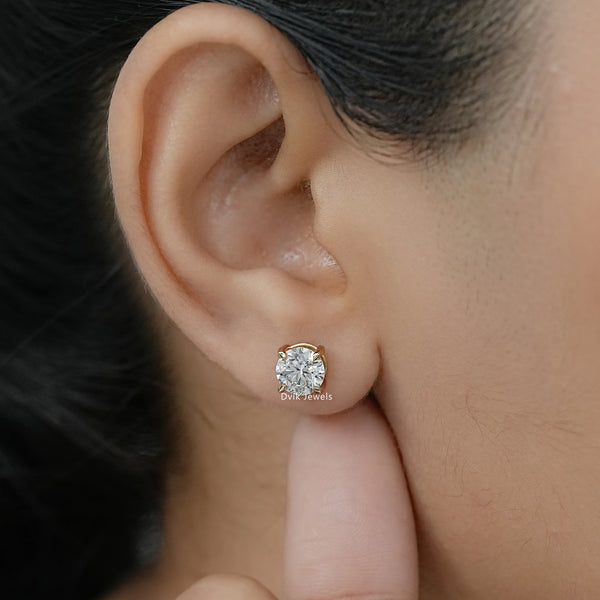
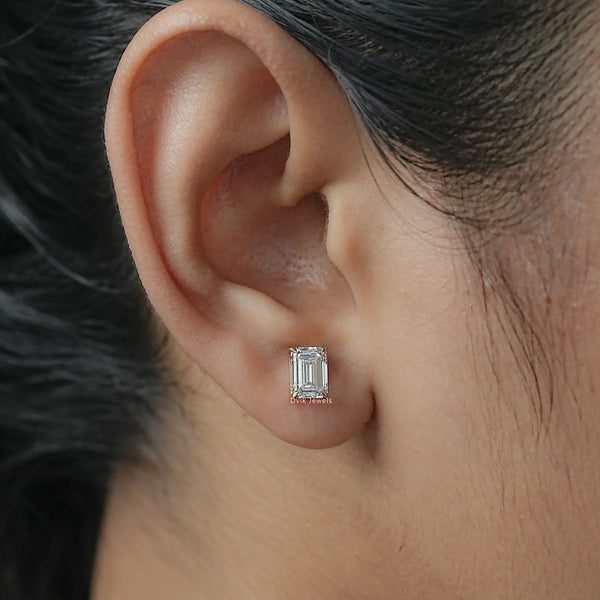
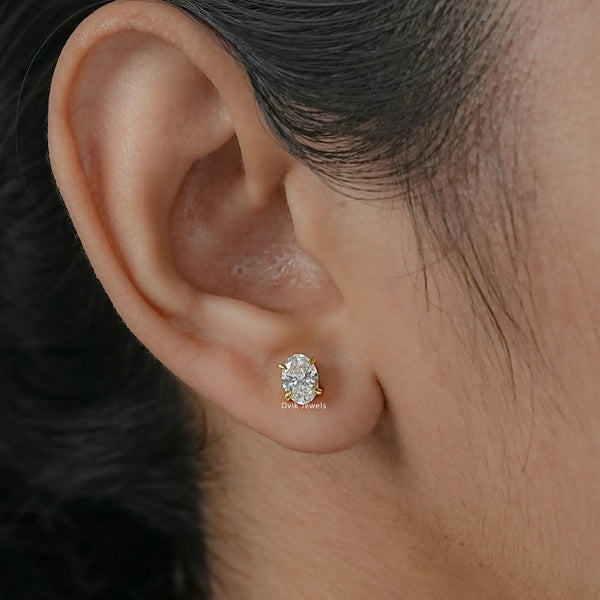
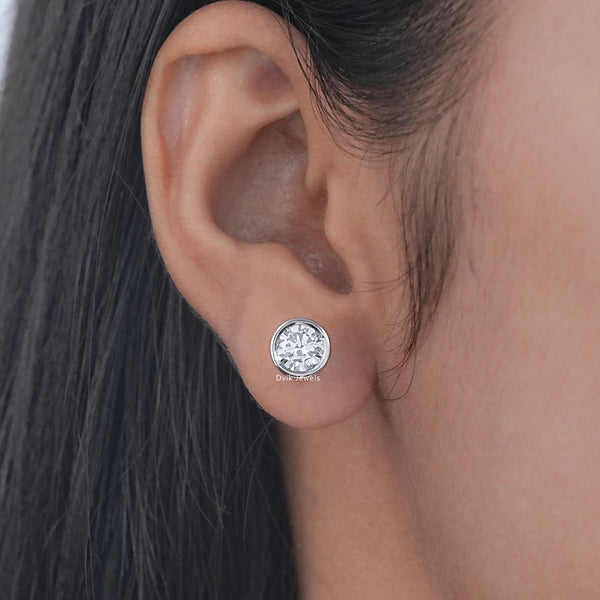
For everyday wear, diamond stud earrings between 0.50 and 2.00 total carat weight (TCW) are worth considering, depending on your earlobe size and preferred appearance. Smaller studs offer a more subtle look, while larger diamonds are more noticeable. When choosing lab grown diamond stud earrings, consider the stone's face up dimensions, setting height, and overall weight to find a comfortable fit.
Choose 1 carat diamond stud earrings if you prefer a smaller appearance, or 2 carat diamond stud earrings for a more prominent look. A 1.00 TCW pair typically contains two 0.50 carat diamonds, while a 2.00 TCW pair contains two 1.00 carat diamonds. The larger pair will generally cost more and may require additional backing support, depending on the setting and earlobe structure.
Large diamond stud earrings may droop when the stones and settings place too much weight toward the front of the earlobe. A low profile setting, properly positioned posts, and wider earring backs can help improve support. If your earrings tilt forward, check whether the backing fits securely. The diamond's dimensions, total earring weight, and piercing position also affect how comfortably the studs sit.
Carat weight measures a diamond's weight, while millimeter measurements describe its physical dimensions. For example, a typical 0.50 carat round diamond measures approximately 5 mm across, although the exact diameter depends on its proportions. When comparing lab grown diamond studs, check both the total carat weight and individual diamond measurements, as diamonds with similar weights may appear different in size.
Both diamonds in a pair of stud earrings should have reasonably consistent color, clarity, dimensions, and overall appearance. Exact grading matches are not always necessary if the stones look balanced when worn. For lab grown diamond stud earrings, prioritize similar face up sizes and visual characteristics. Comparing the diamonds under the same lighting conditions can help identify noticeable differences before purchasing.
Round cut diamonds are a popular option for stud earrings because of their symmetrical appearance and strong light return when properly cut. Oval and pear diamonds create an elongated look, while emerald and Asscher cuts emphasize geometric facets. Princess and radiant cuts offer angular alternatives. When choosing a diamond shape for stud earrings, consider its face-up proportions, the appearance of the matched pair, and your personal style.
For lab grown diamond stud earrings, diamonds in the near-colorless G–J range and VS or eye-clean SI clarity grades can offer good visual quality, depending on the individual stones. Higher color and clarity grades are also available, but they may not always produce a noticeable difference when worn. Prioritize well-cut diamonds with consistent appearance, and compare their grading reports, measurements, and images before choosing a pair.
Lab grown diamond stud earrings can be a worthwhile choice for buyers who want real diamonds at a generally lower price than comparable natural diamonds. They have the same essential chemical composition and hardness as mined diamonds. Their purchase value depends on diamond quality, metal, craftsmanship, and price. However, lab grown diamonds typically have limited resale value, so they are better evaluated as jewelry for personal use rather than an investment.