
Other Matching Pair Diamonds







Collection FAQs
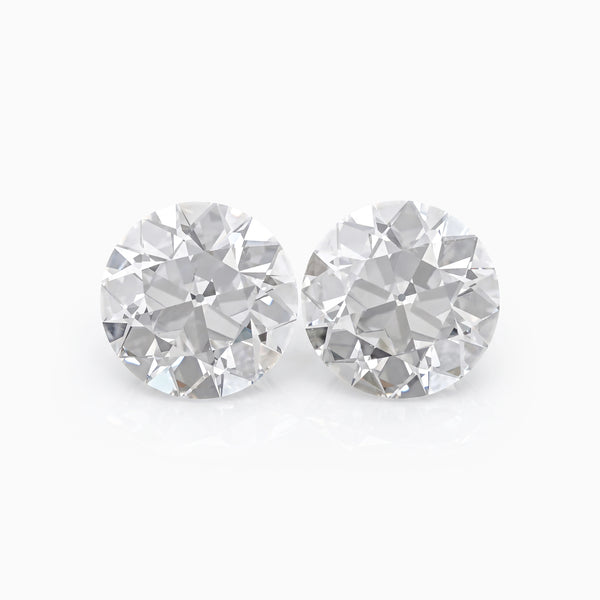
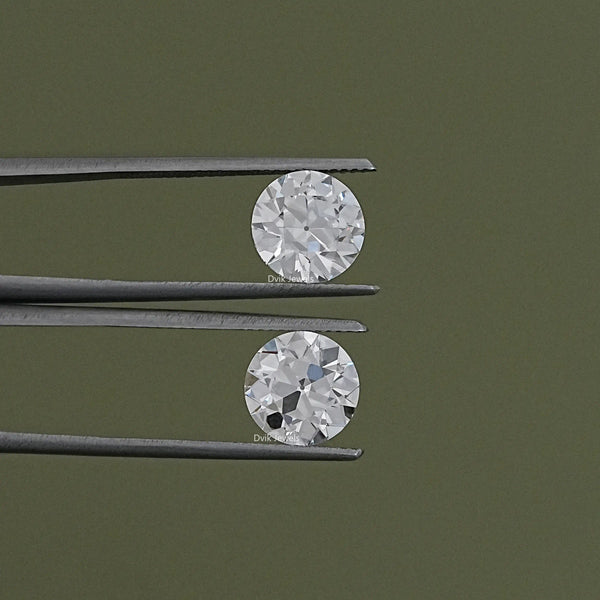
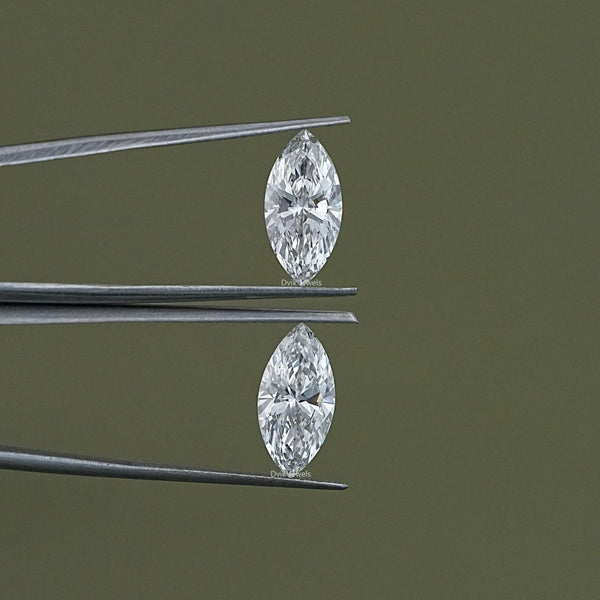
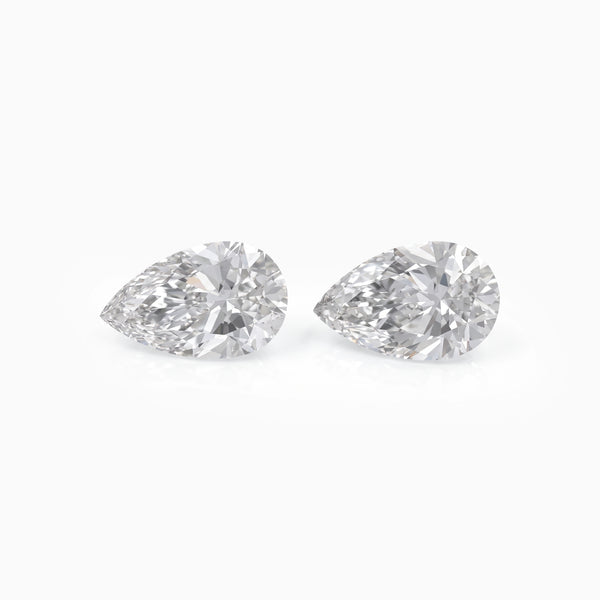
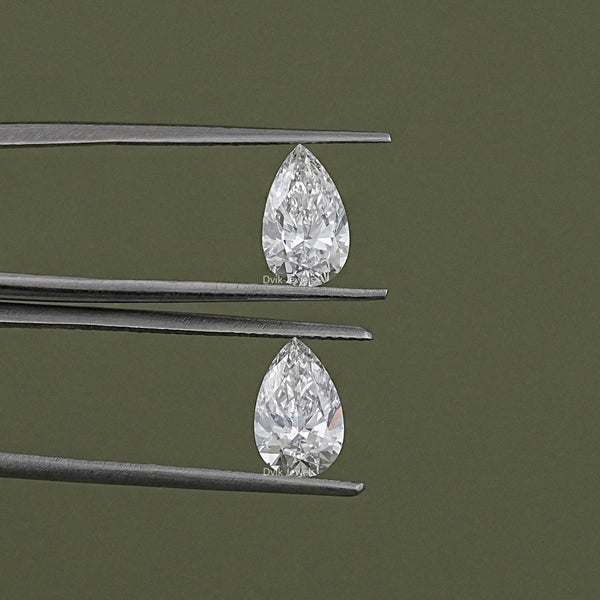
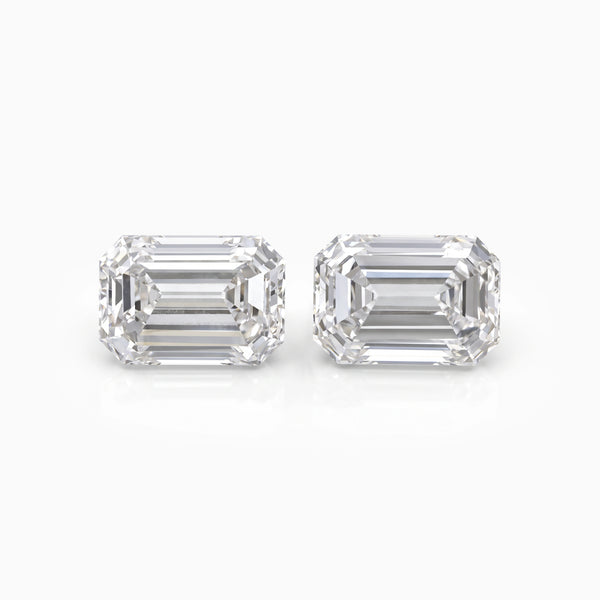
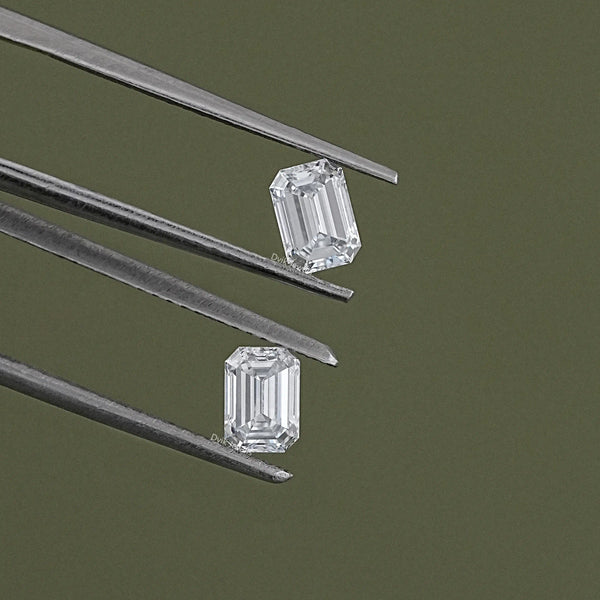
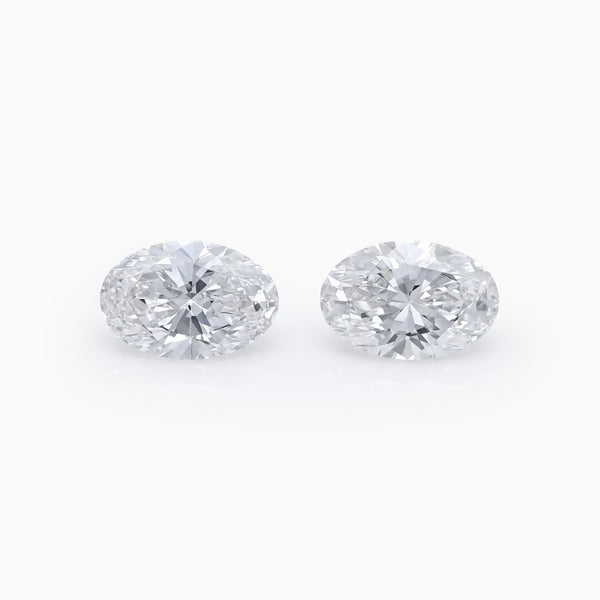
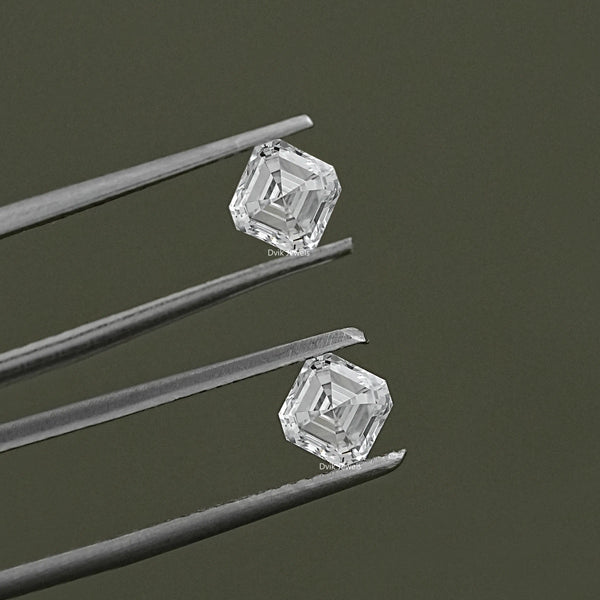
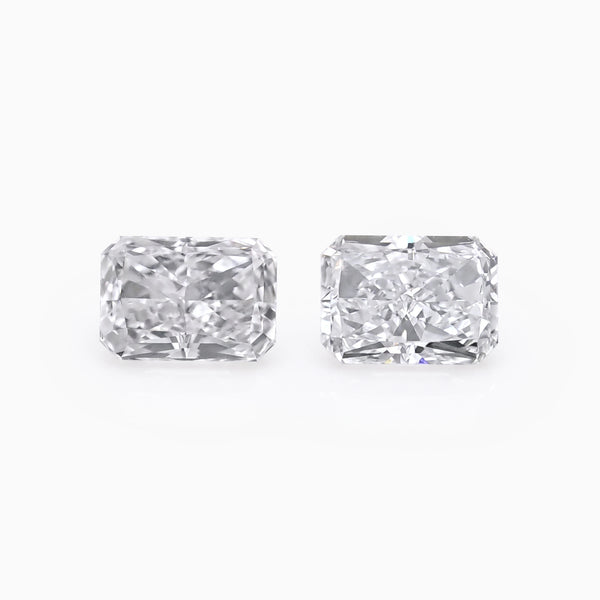
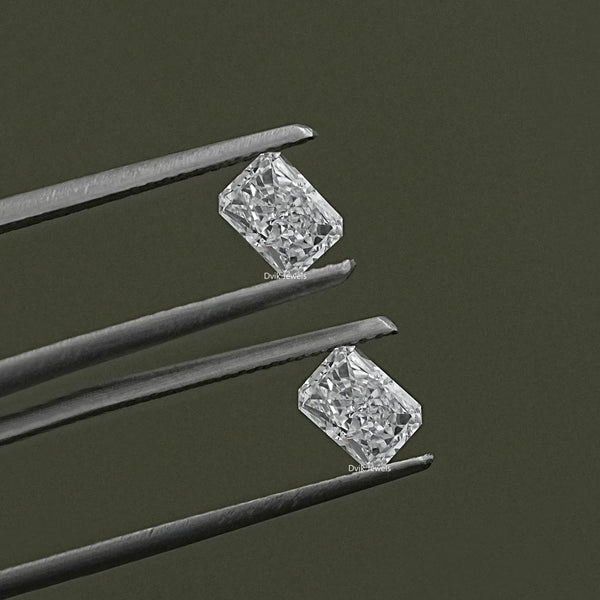
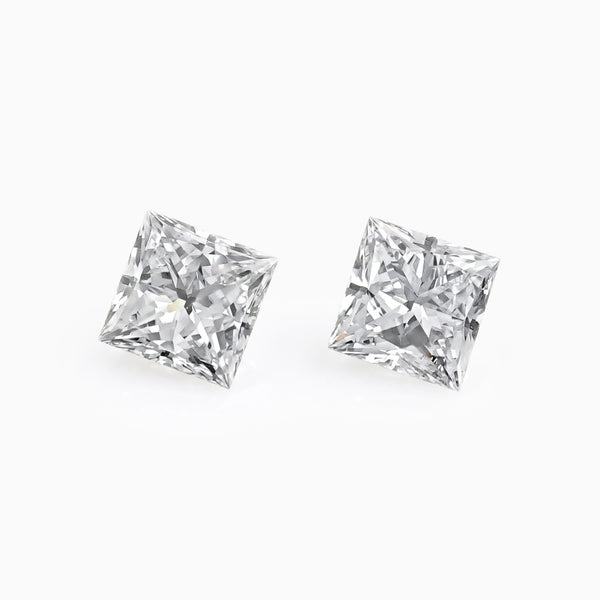
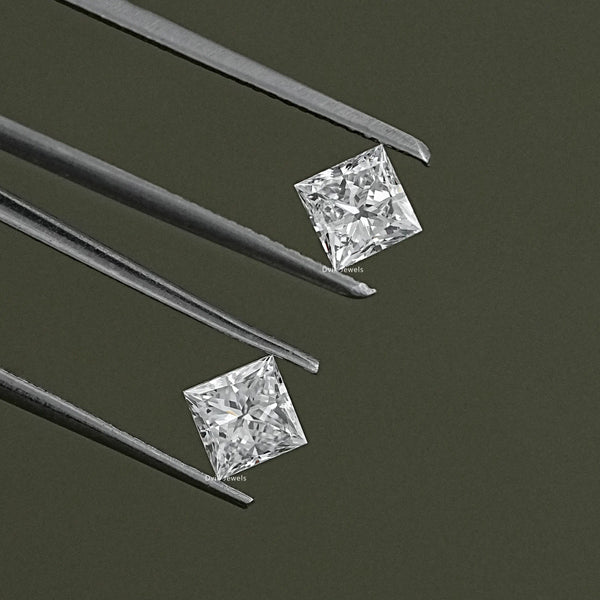
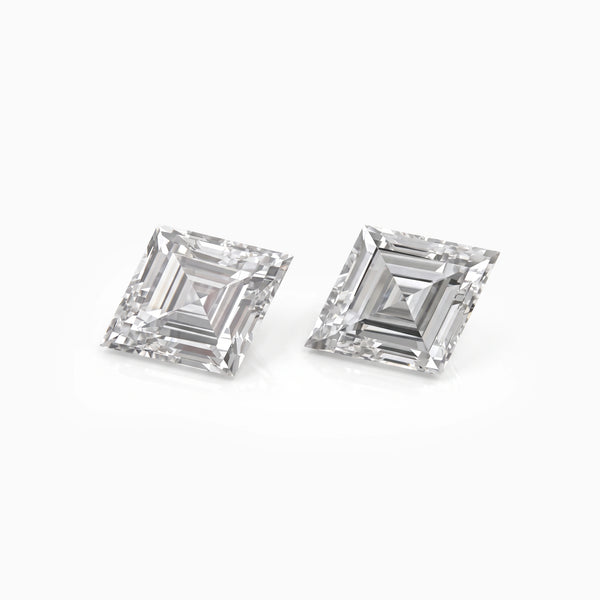
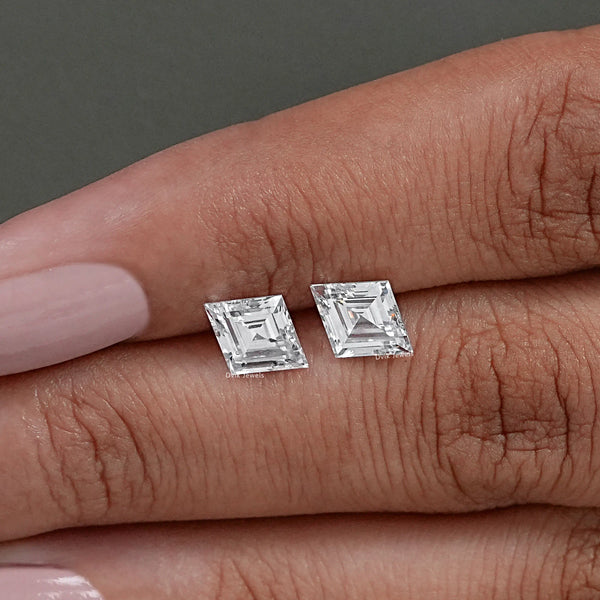
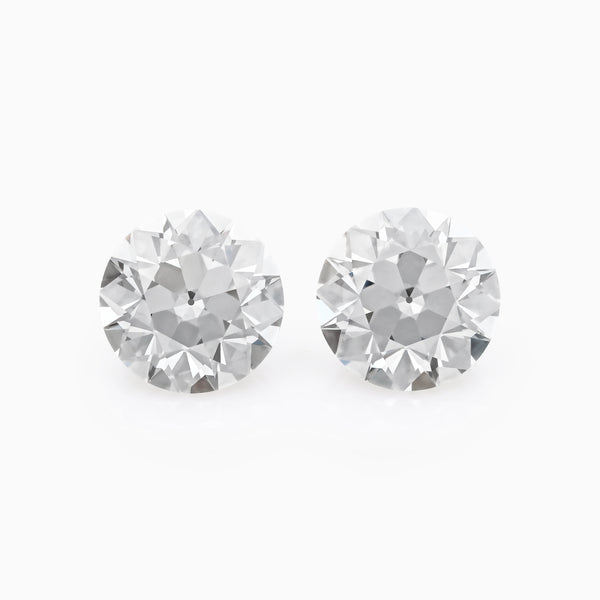
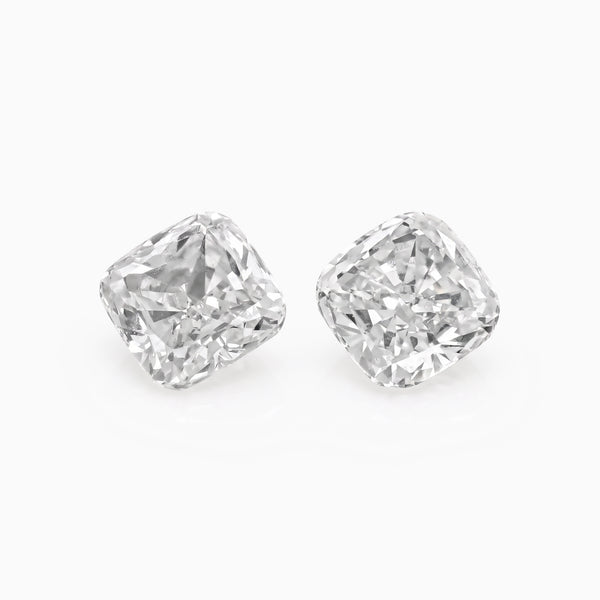
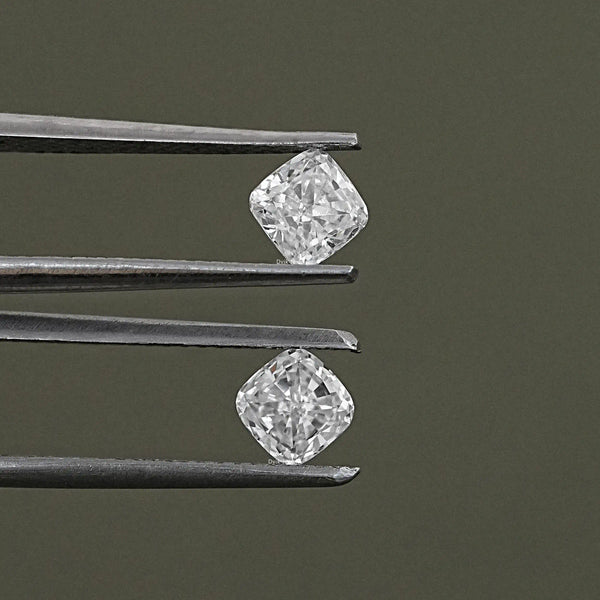
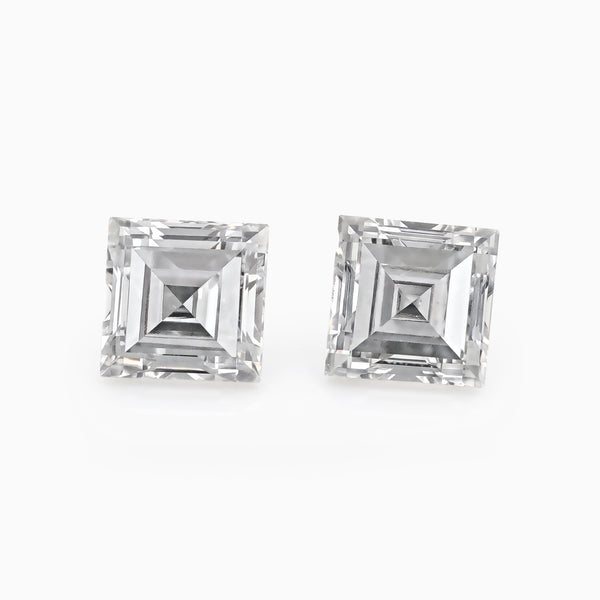
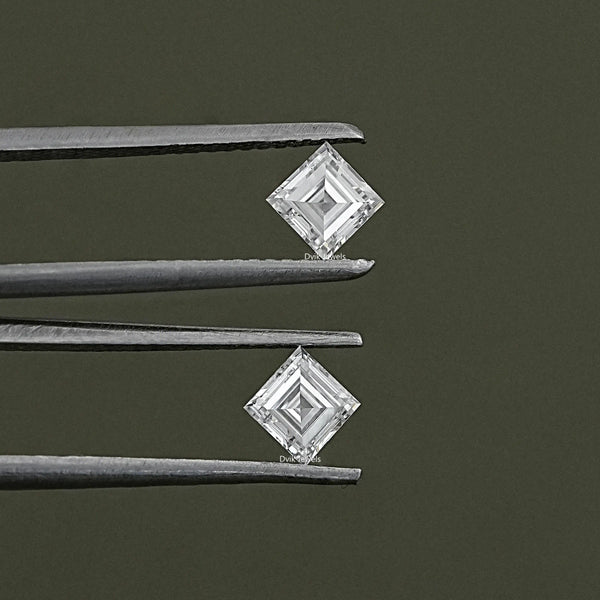
Matching lab grown diamond pairs come in round, oval, pear, marquise, cushion, emerald, radiant, princess, Asscher, and heart shapes. Dvik Jewels also offers less common options, including lozenge, [Old European round](https://dvikjewels.com/collections/european-old-cut-diamond), and antique Carré cuts. Each shape has different proportions and faceting patterns, so the right choice depends on your jewelry design and preferred stone outline.
When choosing matching diamond pairs for earrings or [custom jewelry](https://dvikjewels.com/pages/jewelry-customization-service), compare the diamonds' shape, carat weight, dimensions, color, clarity, and cut proportions. Both stones should have a consistent face-up appearance, even if their carat weights differ slightly. For fancy shaped diamonds, check the length-to-width ratio and outline to ensure the pair suits your earrings, rings, or custom jewelry design.
Matching diamonds do not need exactly the same carat weight, but their visible dimensions should be closely aligned. Two diamonds with identical weights can look different if their depth or cutting proportions vary. For [round diamonds](https://dvikjewels.com/collections/round-cut-diamonds), compare diameter; for elongated and fancy shapes, examine length, width, outline, and proportions to find a visually balanced pair.
Old European cut diamond pairs typically feature smaller tables, higher crowns, deeper proportions, and broader facet patterns than modern [round brilliant diamonds](https://dvikjewels.com/collections/round-cut-diamonds). Modern round cuts generally use more standardized brilliant cut proportions. Both styles can be used for matching earrings or custom jewelry, but comparing the stones side by side helps identify differences in their face-up appearance.
Yes, pear and marquise diamond pairs can be used as side stones in [three stone engagement rings](https://dvikjewels.com/collections/three-stone-engagement-ring) and custom ring settings. [Pear shaped diamonds](https://dvikjewels.com/collections/pear-cut-diamond) can be positioned with their pointed ends facing toward or away from the center stone, while marquise cuts create an elongated side profile. Their size, orientation, and proportions should be selected according to the center diamond and ring design.
Yes, diamonds with different clarity grades can still form a visually matching pair if their inclusions are not noticeably different when viewed face-up. Color appearance, dimensions, cut style, and overall visual consistency are often more important than identical clarity grades alone. Compare both [loose diamonds](https://dvikjewels.com/collections/lab-grown-loose-diamonds) under similar lighting before choosing them for earrings or a custom jewelry setting.