






-
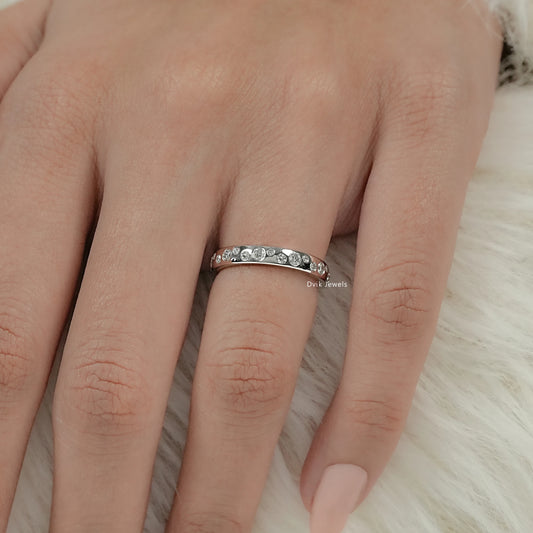
Round Cut Diamond Scattered Bezel Set Wedding Band
$240.00 Grab It On Sale for $192.00Save $48.00 (20% OFF)Sale -
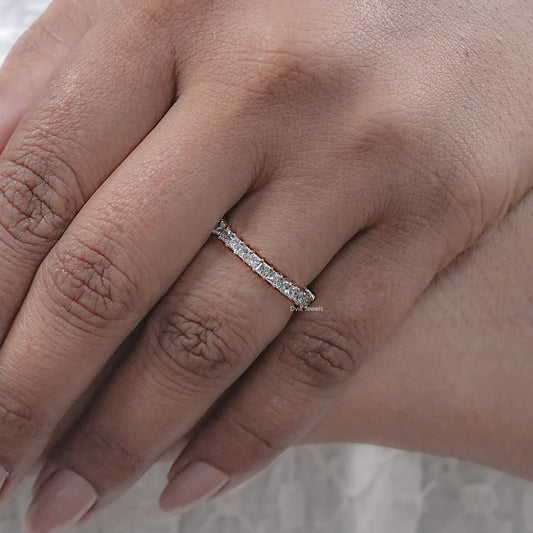
Princess Cut Lab Diamond Full Eternity Band
$355.00 Grab It On Sale for $248.50Save $106.50 (30% OFF)Sale -
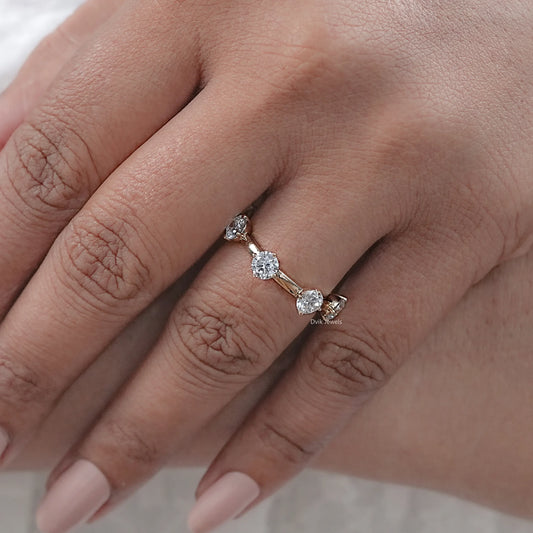
Round Cut Lab Diamond Distance Wedding Band
$375.00 Grab It On Sale for $300.00Save $75.00 (20% OFF)Sale -
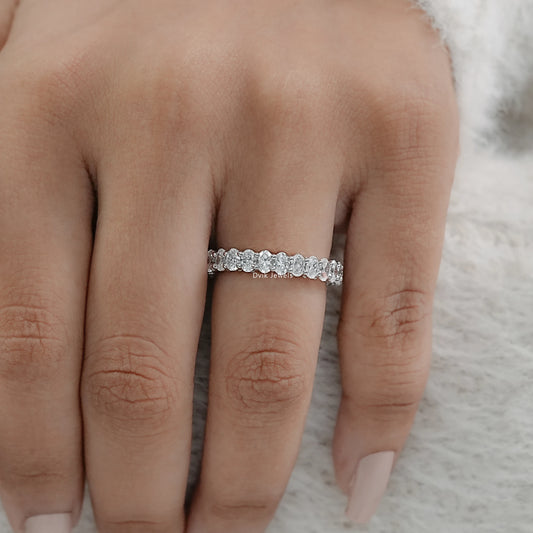
Oval Lab Diamond Eternity Wedding Band
$445.00 Grab It On Sale for $311.50Save $133.50 (30% OFF)Sale -
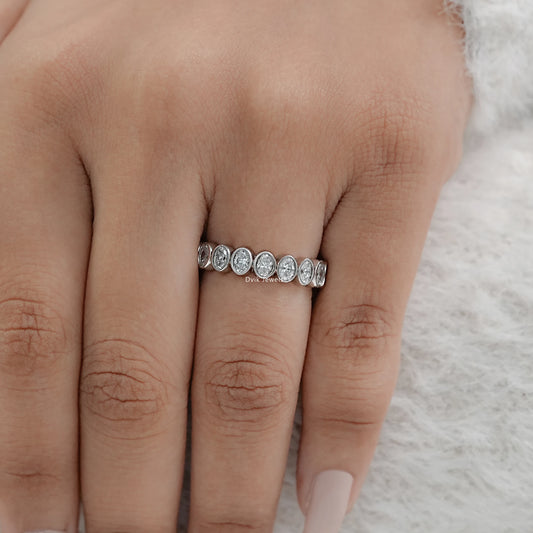
Bezel Set Oval Cut Lab Diamond Eternity Band
$335.00 Grab It On Sale for $268.00Save $67.00 (20% OFF)Sale -
Pear Cut Lab Grown Diamond Eternity Band
$280.00 Grab It On Sale for $196.00Save $84.00 (30% OFF)Sale -
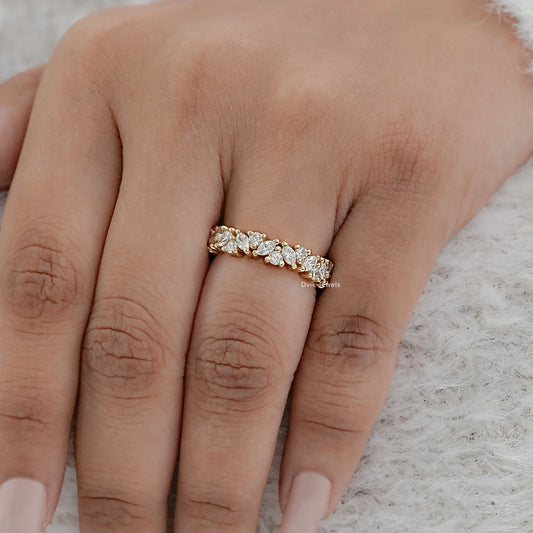
Marquise And Round Lab Diamond Wedding Band
$390.00 Grab It On Sale for $312.00Save $78.00 (20% OFF)Sale -
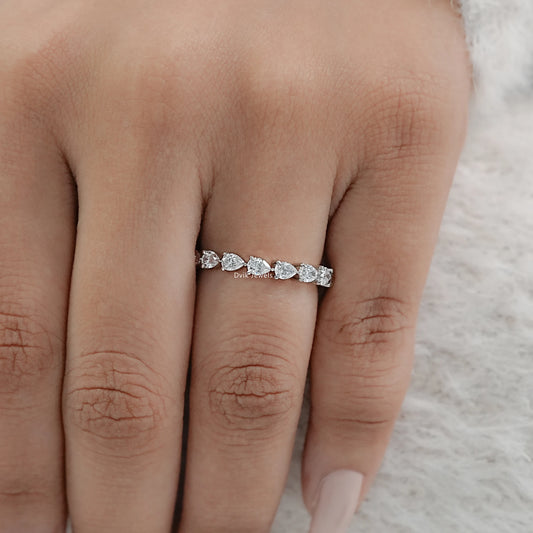
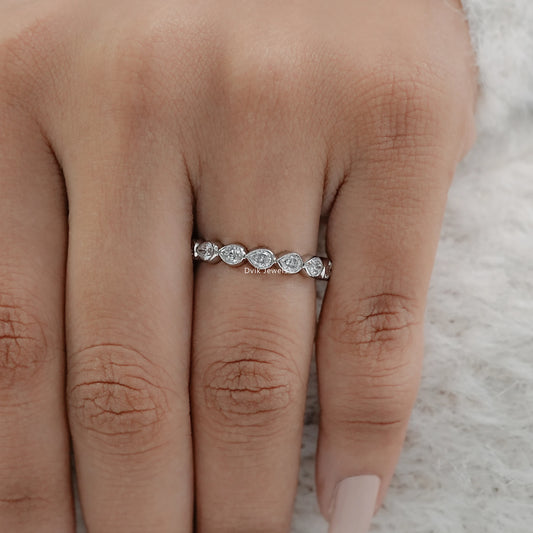
Bezel Set Pear Cut Lab Diamond Full Eternity Wedding Band
$255.00 Grab It On Sale for $204.00Save $51.00 (20% OFF)Sale -
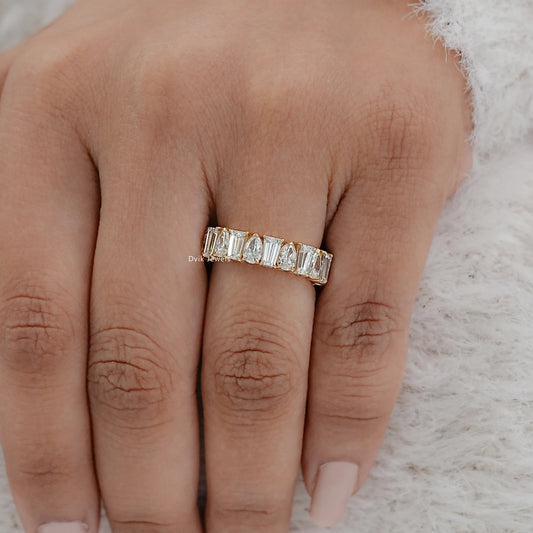
Pear And Tapered Baguette Diamond Eternity Band
$1,015.00 Grab It On Sale for $812.00Save $203.00 (20% OFF)Sale -
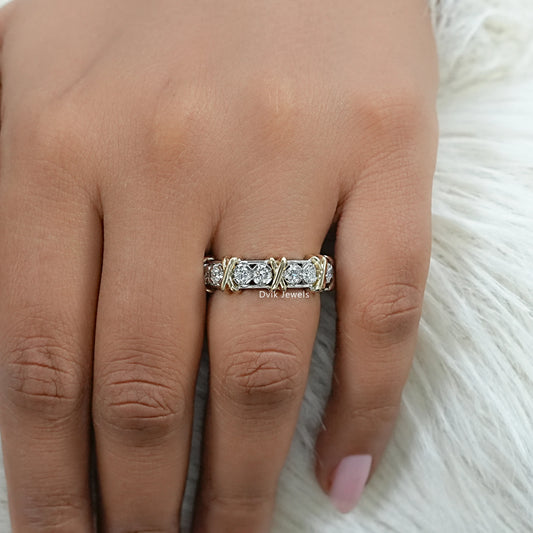
Round Diamond Band with Criss Cross Pattern
$265.00 Grab It On Sale for $212.00Save $53.00 (20% OFF)Sale -
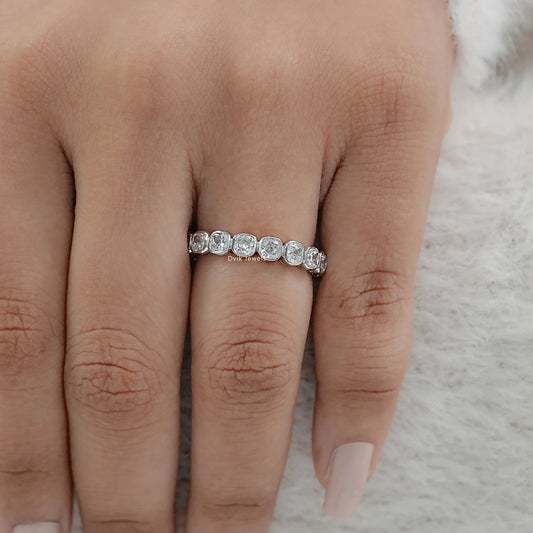
Cushion Cut Bezel Set Lab Diamond Full Eternity Band
$465.00 Grab It On Sale for $372.00Save $93.00 (20% OFF)Sale -
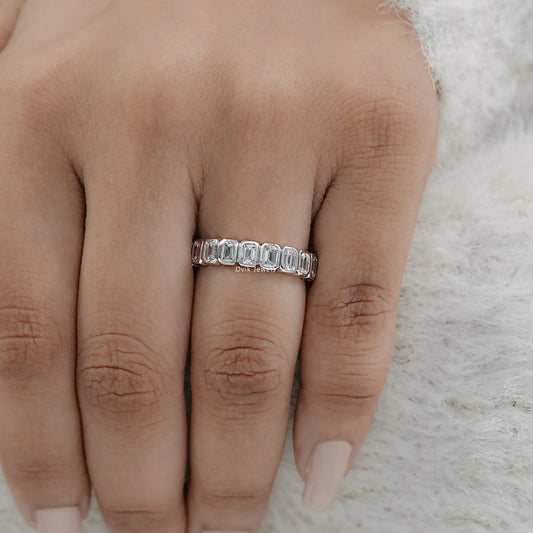
Emerald Cut Diamond Bezel Set Eternity Band
$515.00 Grab It On Sale for $412.00Save $103.00 (20% OFF)Sale -
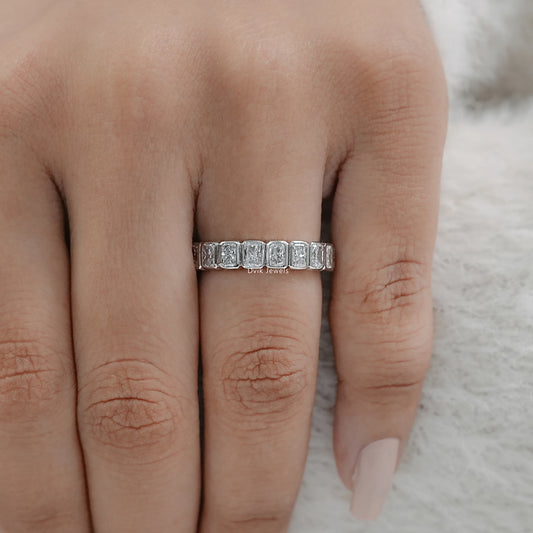
Radiant Cut Lab Diamond Bezel Set Eternity Band
$495.00 Grab It On Sale for $396.00Save $99.00 (20% OFF)Sale -
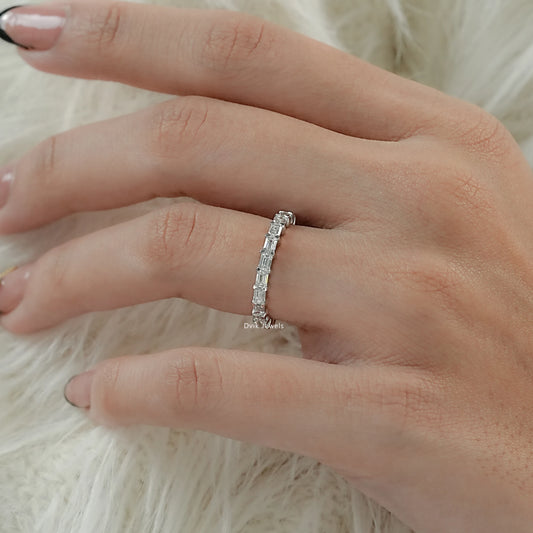
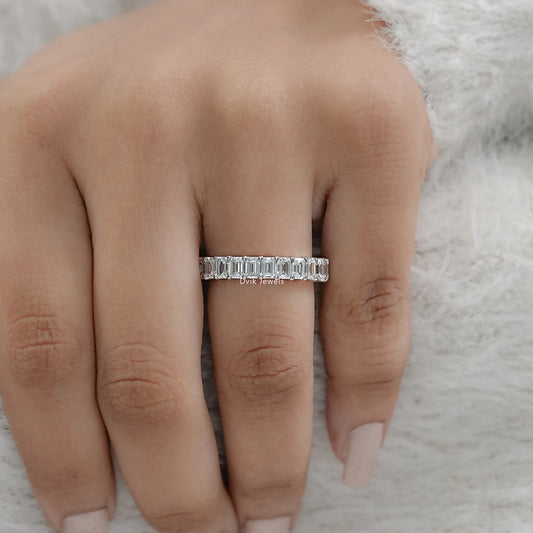
Emerald Cut Lab Diamond Full Eternity Band
$360.00 Grab It On Sale for $288.00Save $72.00 (20% OFF)Sale -
Stunning Emerald Cut Diamond Full Eternity Band
$670.00 Grab It On Sale for $536.00Save $134.00 (20% OFF)Sale -
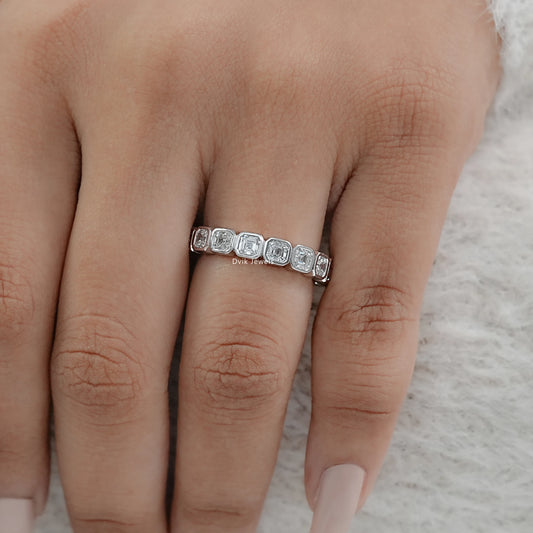
Bezel Set Asscher Cut Lab Diamond Full Eternity Band
$515.00 Grab It On Sale for $412.00Save $103.00 (20% OFF)Sale
















Collection FAQs
Yes, a well made lab grown diamond eternity band can be suitable for regular wear. Lower-profile settings and securely set diamonds are often more practical for daily use, while bands with larger stones or more exposed settings may need extra care during activities that could cause impact or abrasion. Periodic checks can also help ensure the stones and settings remain secure.
Full eternity bands are usually difficult to resize because the diamonds and settings continue around the entire circumference of the ring. Whether resizing is possible depends on the setting style, stone layout, and how much the size needs to change, so confirming the correct ring size before ordering is especially important.
A full eternity band has diamonds set around the entire ring, while a half eternity band typically has diamonds across the upper portion and plain metal underneath. Full eternity bands provide continuous diamond coverage, while half eternity bands may allow easier resizing and can feel smoother on the underside of the finger.
Yes. An eternity band can be worn above or below an engagement ring or combined with other bands in a stack. For a closer fit, compare the width and setting height of both rings because a low-set center stone, wider basket, or raised eternity-band setting may create a small gap between the rings.
Choose the diamond size based on how much finger coverage, band width, and visual presence you want. Smaller diamonds generally create a slimmer profile that can be easier to stack, while larger diamonds produce a wider band and may feel more noticeable between the fingers. Your ring size and preferred setting style should also be considered.
The best diamond shape depends on the look, proportions, and finger coverage you prefer. Round diamonds create a classic brilliant appearance, while oval and pear shapes offer a more elongated look. Emerald and Asscher cuts create a cleaner geometric pattern, while radiant, cushion, and princess cuts offer more structured styles with different levels of brilliance.
Neither setting is universally better; the choice depends on how you want the ring to look and wear. Prong settings expose more of each diamond and usually create a lighter visual profile, while bezel settings surround more of the diamond with metal and can provide additional edge protection. When stacking the band, also compare the height and thickness of the setting with your other rings.