
Solitaire Rings


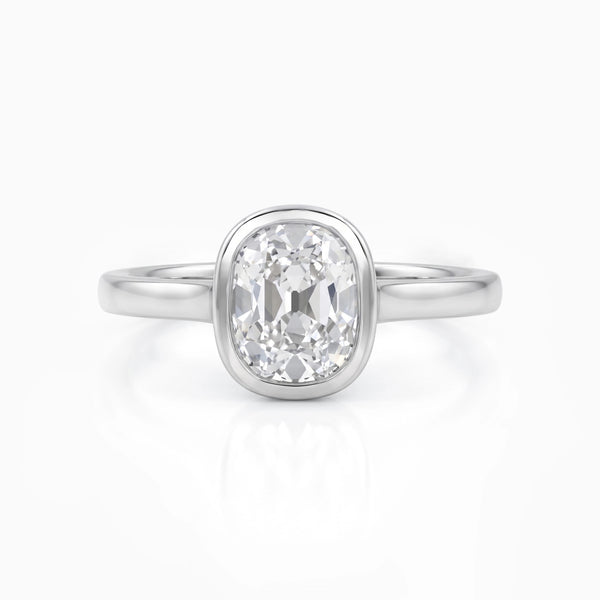
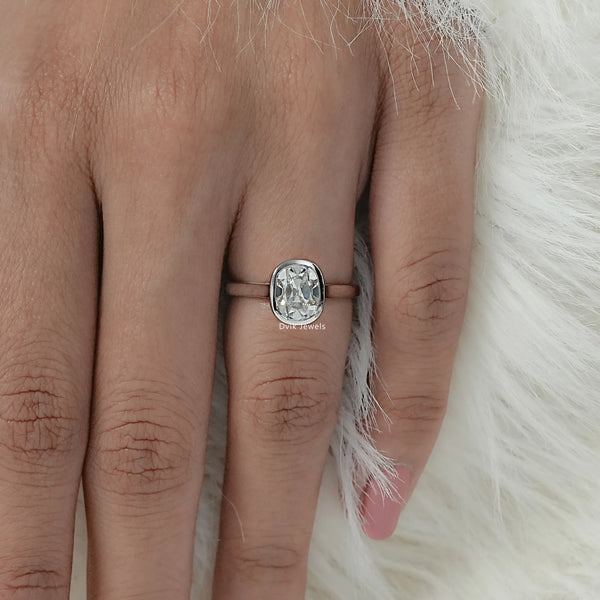


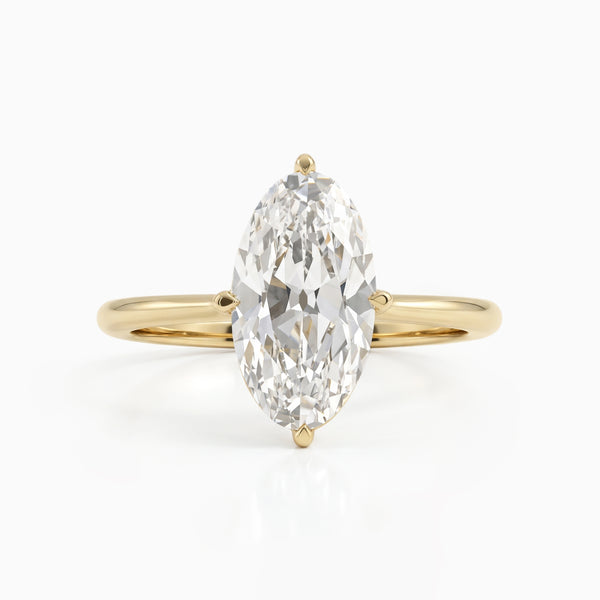
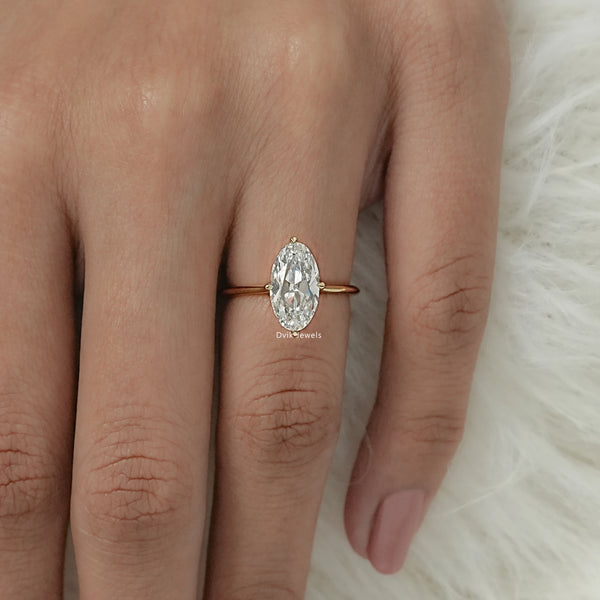
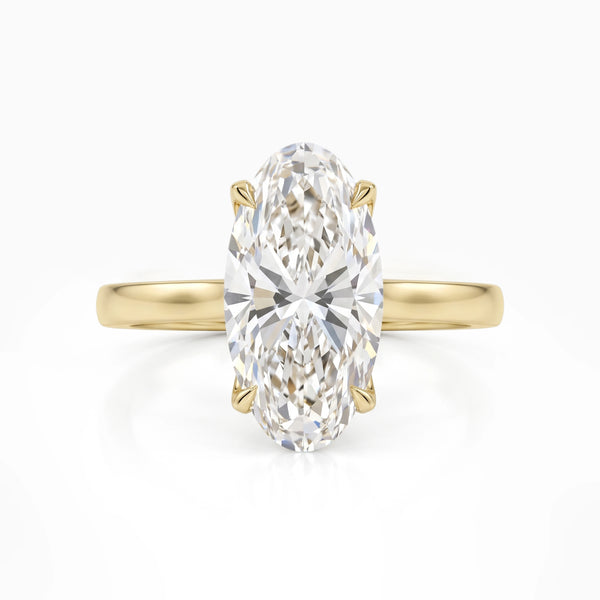
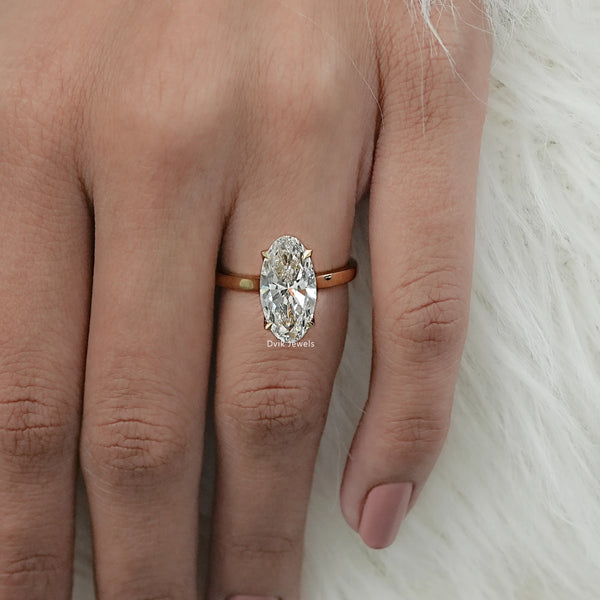
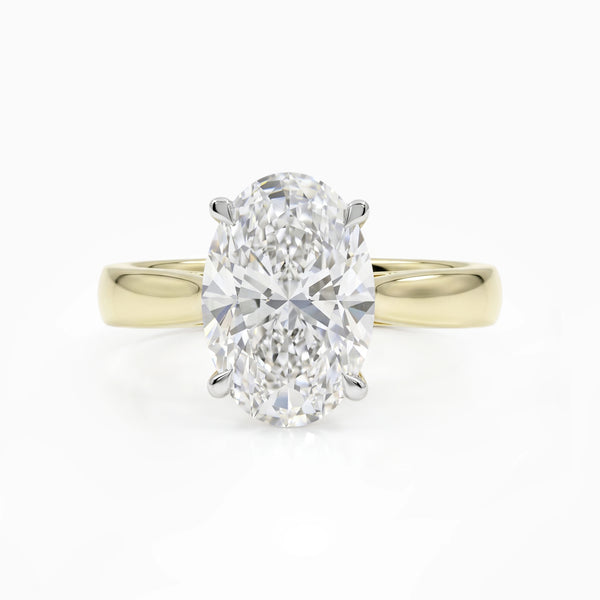
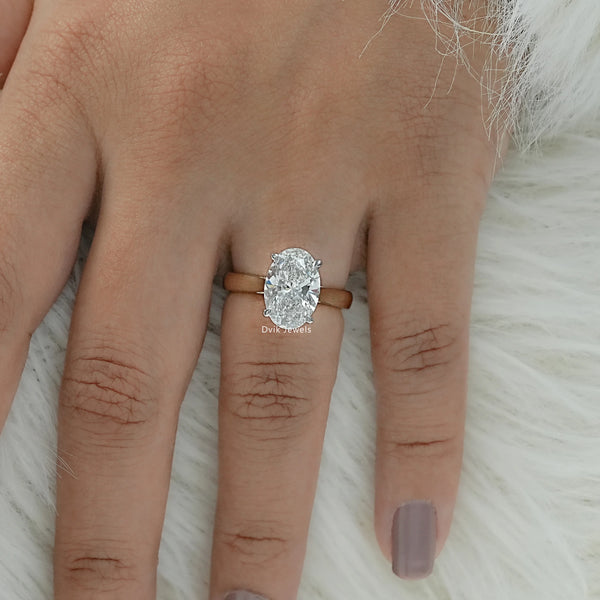

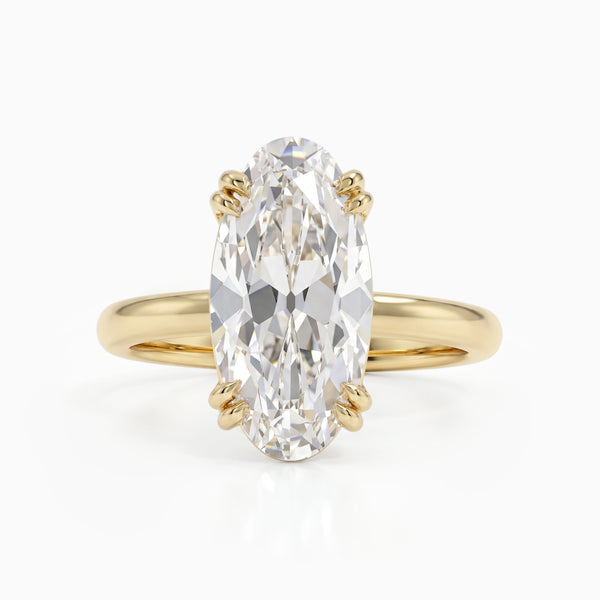
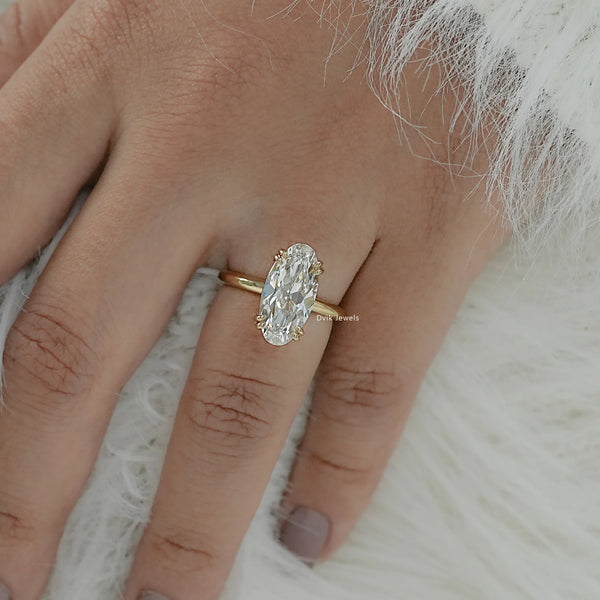
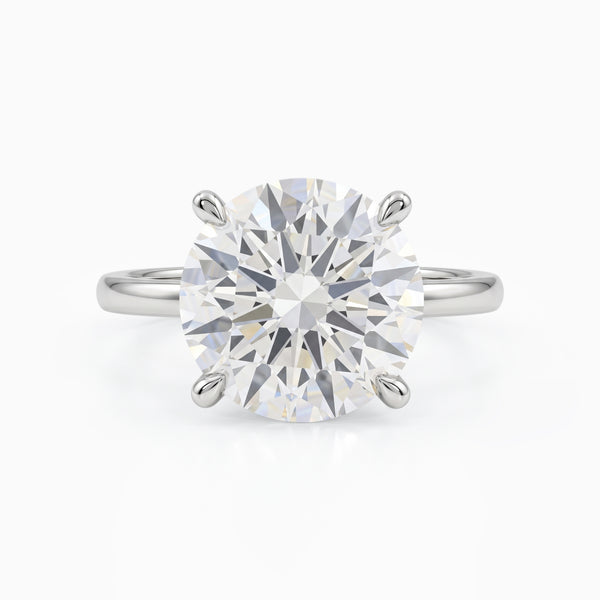
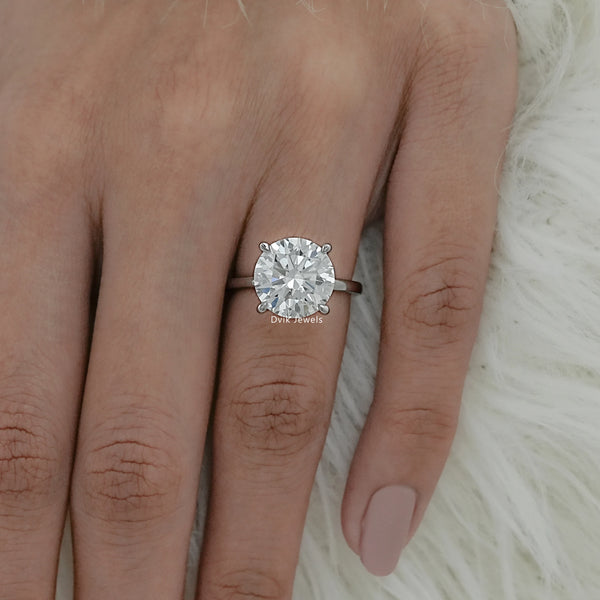
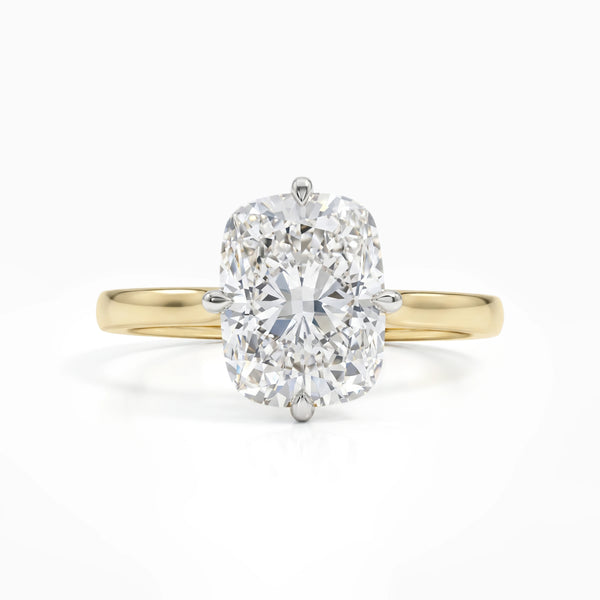
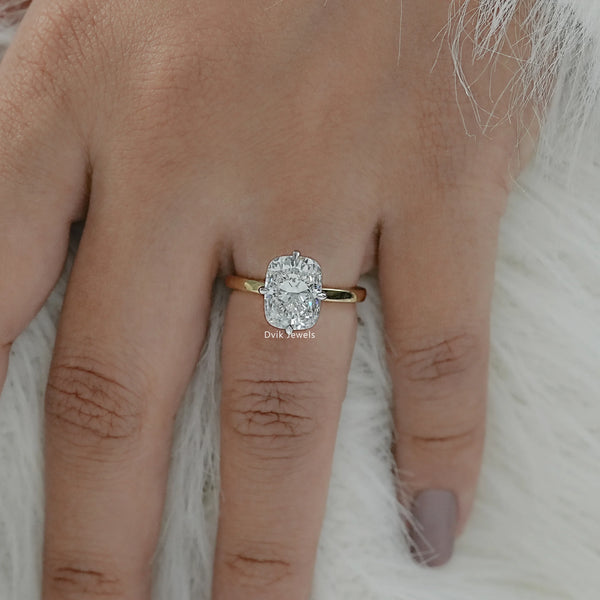

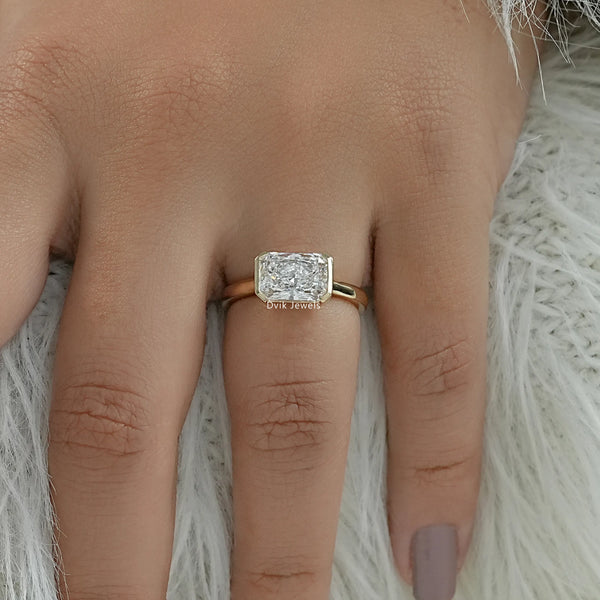
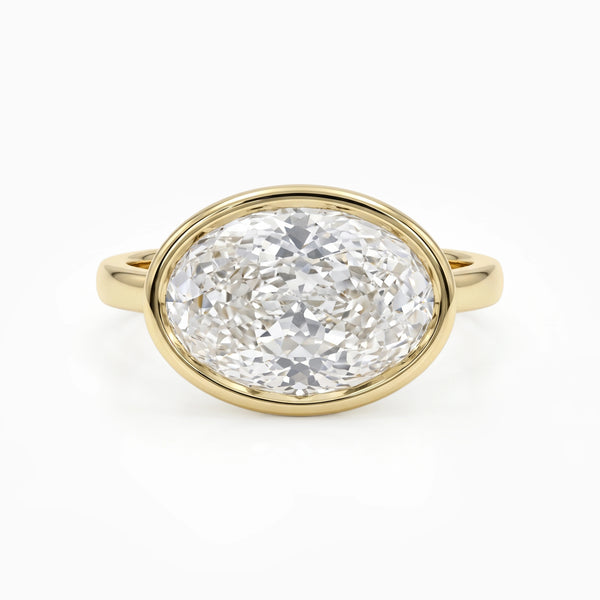
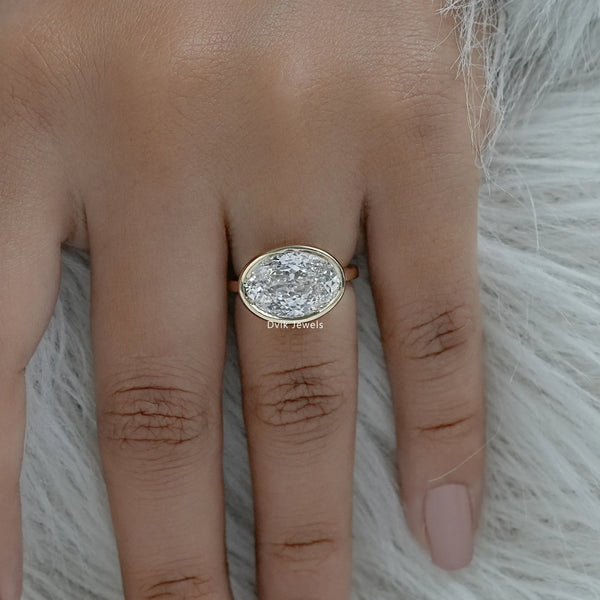
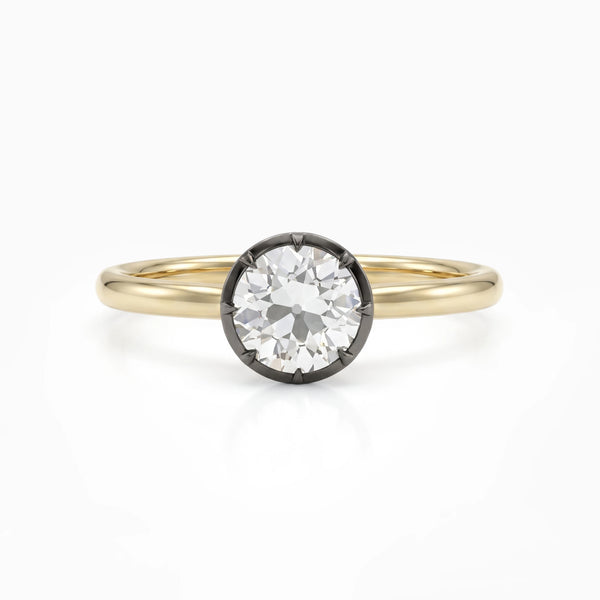
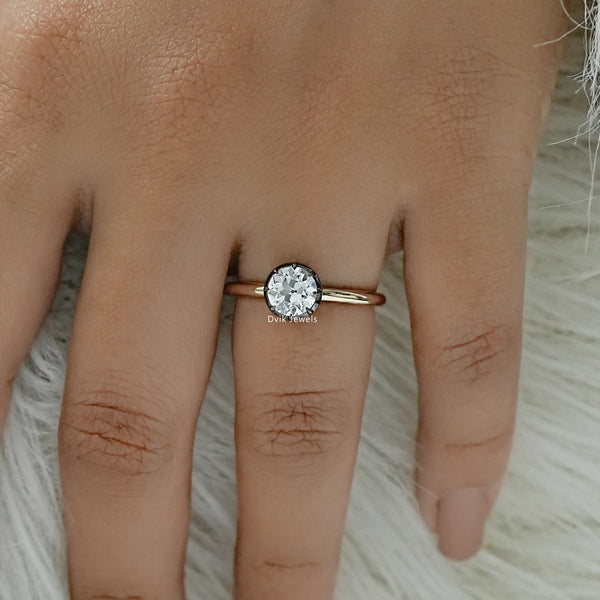
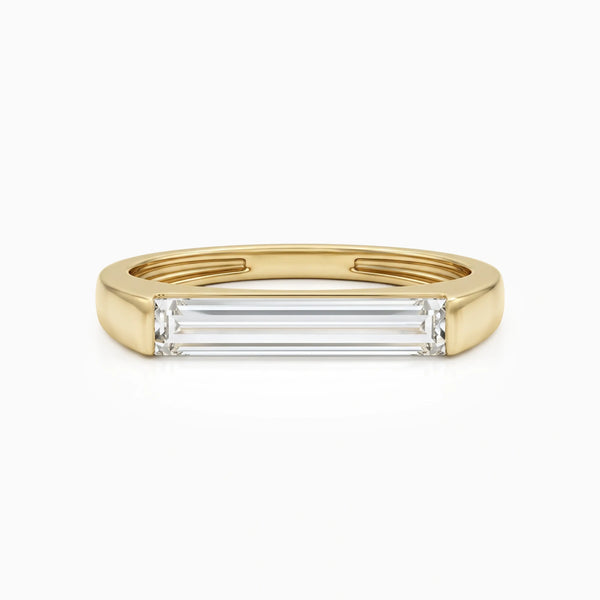
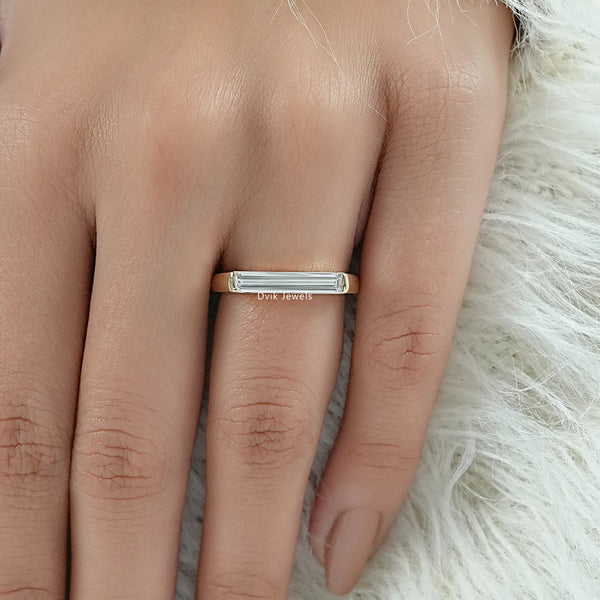
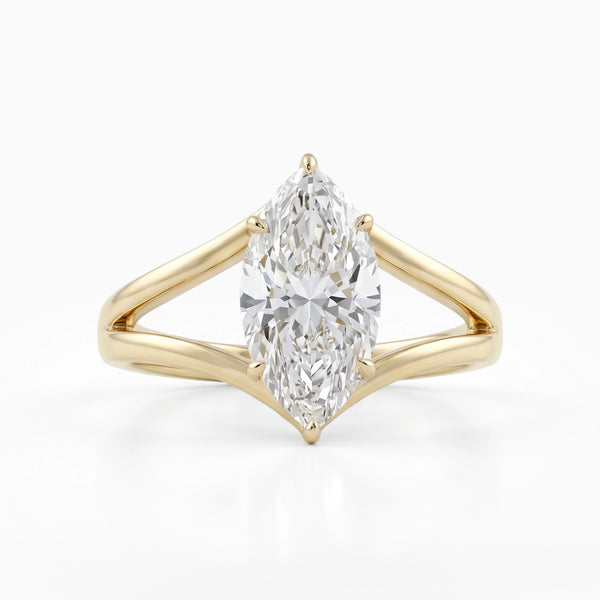
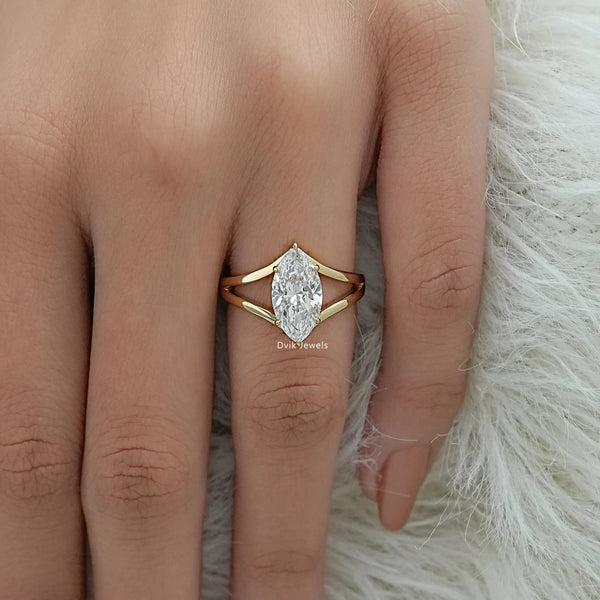
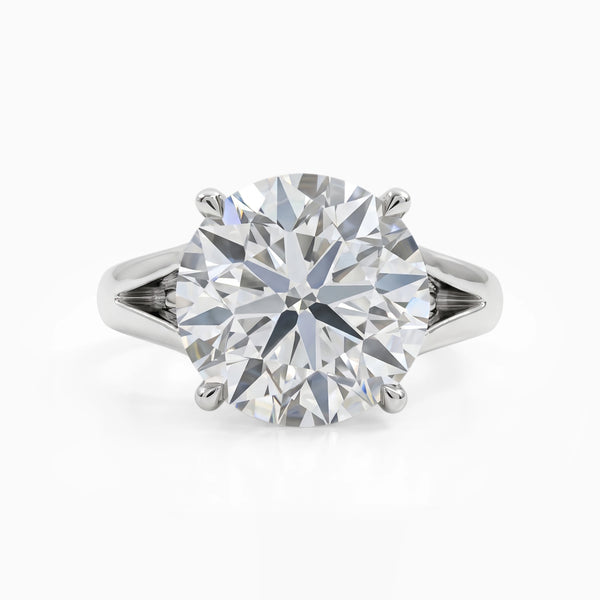
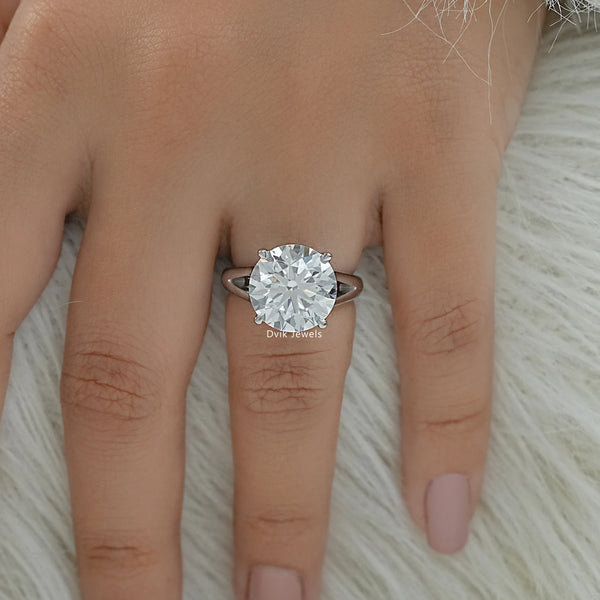
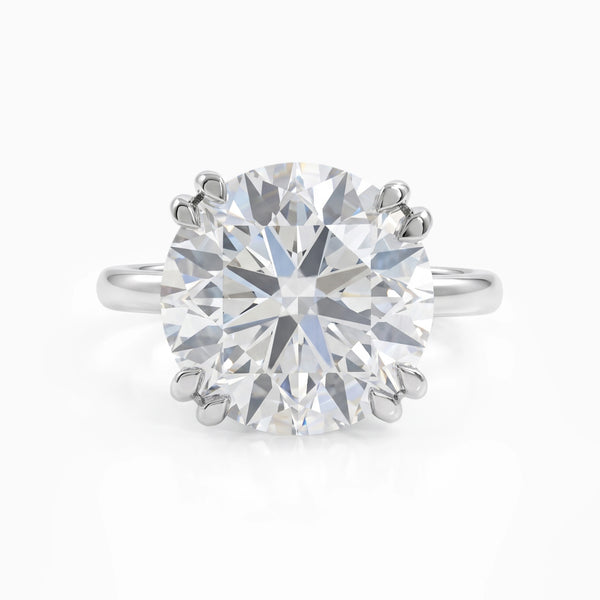
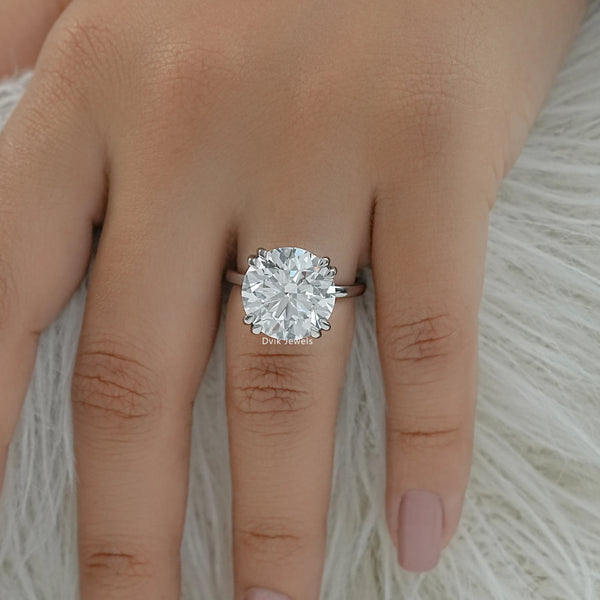
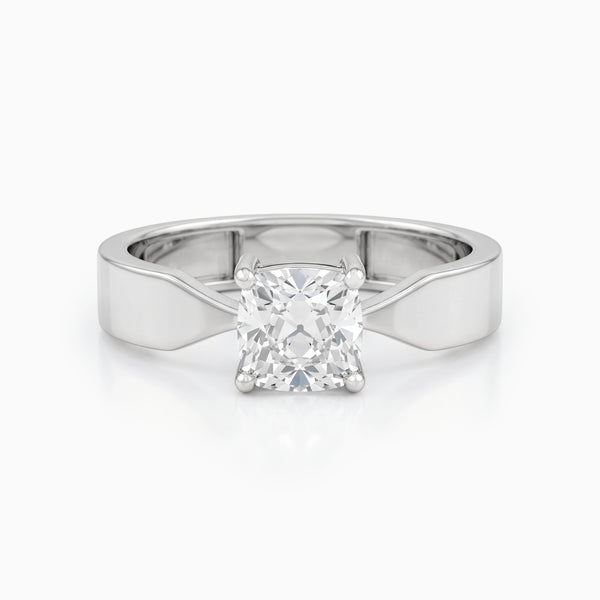
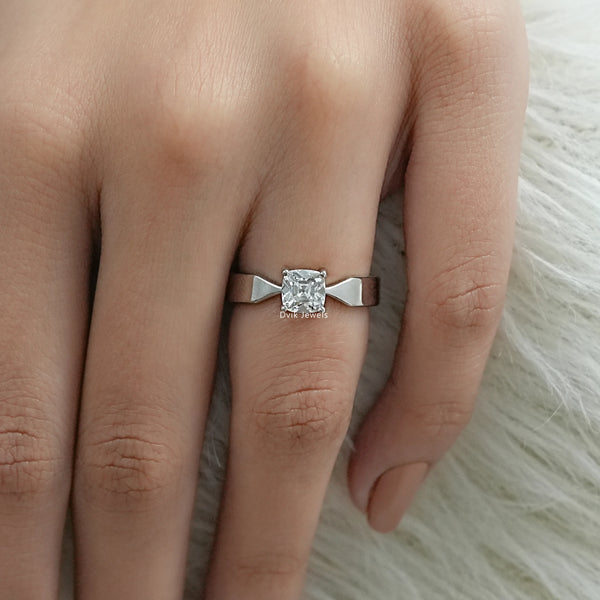
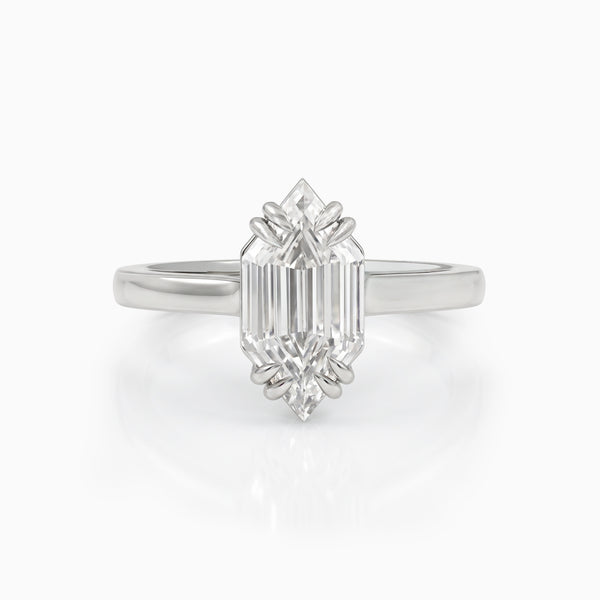
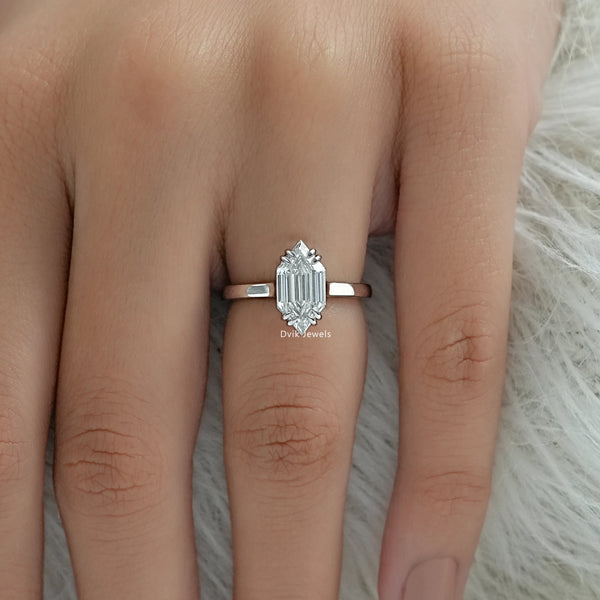
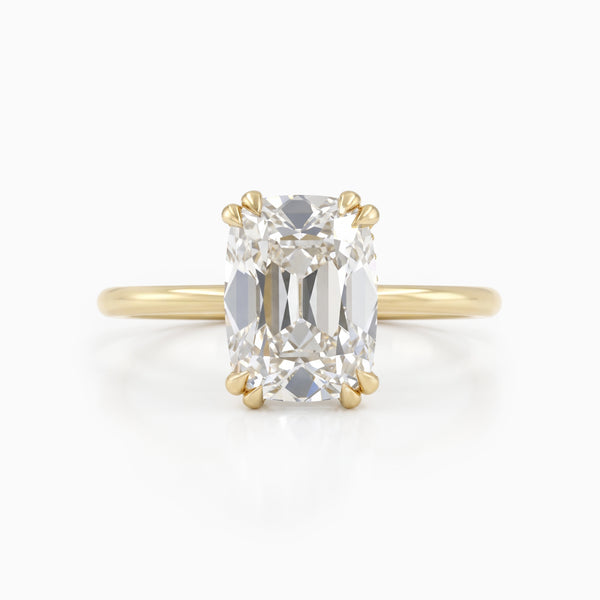
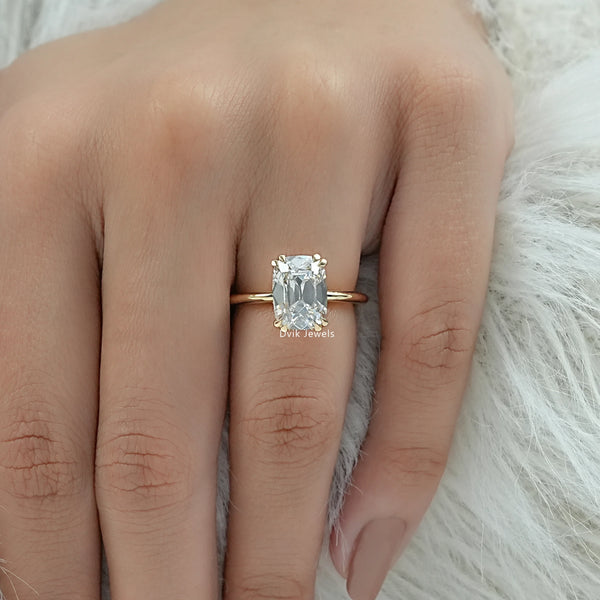
Shop Lab Grown Diamond Solitaire Engagement Rings
Collection FAQs
A solitaire diamond engagement ring features one prominent center diamond as the focal point of its design. Traditional solitaires typically have a simple metal band without additional diamonds, highlighting the center stone's shape and appearance. Modern variations may include cathedral shoulders or distinctive setting details while keeping the center diamond as the main attraction.
Start by considering the diamond's shape, cut quality, carat weight, setting style, and metal. Round diamonds offer a classic brilliant appearance, while oval, emerald, and pear shapes create different silhouettes. Compare the center stone's measurements, setting height, and overall proportions to find a solitaire engagement ring that suits your style, lifestyle, and budget.
A bezel setting is worth considering for an active lifestyle because its metal rim surrounds the diamond's edge and provides added protection against accidental knocks. Low-profile prong settings can also be practical, depending on their construction. Consider the setting height, exposed diamond edges, and how securely the stone is held. No setting is completely resistant to damage, so removing the ring during high-impact activities is recommended.
A four-prong setting holds the center diamond at four points, leaving more of its outline visible. A six-prong setting uses six points of contact and may provide additional retention if a prong becomes damaged. Both designs can securely hold a diamond when properly constructed and maintained. The choice depends on the diamond's shape, size, setting design, and your preferred appearance.
Not necessarily. Carat measures a diamond's weight rather than its visible dimensions. Two diamonds with the same carat weight can appear different in size because of their shape, depth, and proportions. When comparing solitaire diamond engagement rings, review the stone's measurements in millimeters alongside its carat weight to better understand its face-up appearance.
A high-set solitaire engagement ring positions the diamond farther above the band, creating an elevated profile and sometimes allowing more room for a wedding band. A low-set design keeps the diamond closer to the finger and may be less likely to catch on clothing. Consider comfort, setting protection, appearance, and wedding band compatibility when choosing between the two.
Some solitaire engagement rings can sit flush against a straight wedding band, while others leave a small gap. Compatibility depends on the setting height, diamond basket, and wedding band's profile. If a straight band cannot sit closely beside the engagement ring, a curved or contoured wedding band may provide a better fit.
The price of a lab grown diamond solitaire engagement ring depends on diamond carat weight, cut quality, color, clarity, shape, metal selection, and setting complexity. Diamonds with similar carat weights may have different prices because of their quality characteristics and proportions. Comparing detailed diamond specifications and ring designs can help you understand the differences in price.
Dvik Jewels offers lab grown solitaire engagement rings with different diamond shapes, carat weights, and metal options, including yellow, white, and rose gold, as well as platinum. Available options vary by design. Review the individual product listing for ring sizes, diamond specifications, metal choices, and setting details to find a combination that suits your preferences.