











October 16, 2026
How Much Does It Cost to Resize a Ring in 2026?
Dvik Jewels | gold ring resize price | How Much Does It Cost to Resize a Ring in 2026? | how much to resize a ring | lab grown diamond ring resize | platinum ring resize cost | ring resizing 2026 | ring resizing cost | ring sizing fees
Share
Ring resizing in 2026 costs anywhere from $20 for a plain silver band to well over $300 for a platinum design with pave stones, and the number you actually pay depends on three things: the metal, whether you’re going up or down in size, and how complex the setting is. For most gold and silver rings, you’re looking at $30 to $150 before any add-ons, which is less alarming than most people expect walking into a jeweler.
What surprises people isn’t the base fee. It’s the line items that appear after the fact: rhodium plating, stone removal, rush charges. This guide gives you the real 2026 breakdown so you can walk into any shop knowing exactly what a fair quote looks like.
How much does ring resizing cost by metal type?
Metal is the single biggest cost driver, and the gap between silver and platinum is wide enough to matter.
Sterling silver is the easiest metal to work with at the bench. The soft nature of silver allows for smooth reshaping without specialized equipment, which keeps costs low. Expect to pay roughly $20 to $60 for a standard silver resize.
Gold (14k or 18k, yellow or rose) typically runs $30 to $120 depending on direction and band width. Sizing down a plain gold band is closer to the $30 to $70 range; sizing up adds material cost and pushes the bill toward $80 to $120. White gold sits slightly higher because the resizing heat burns through the rhodium coating, which then needs to be reapplied.
Platinum is the expensive one, and the reason is metallurgical. Platinum has a much higher melting point than gold, so a jeweler must use a laser welder rather than a standard soldering torch. That equipment is costly to own and operate, and the skill required to use it correctly commands a premium. Budget $150 to $300 or more for a platinum resize, and be wary of any shop quoting you $60 for the job. A suspiciously low platinum quote often means the jeweler plans to use white gold solder at the seam, which creates a visible dark line over time and weakens the structure.
One 2026 trend worth knowing: laser welding has become more common across metal types, not just platinum. It reduces the risk of loosening stones during the process, but it also costs 20 to 30 percent more than traditional torch soldering. For diamond set rings, it’s usually worth the premium.
Does sizing up or sizing down change the price?
Yes, consistently. Sizing down is the cheaper direction every time.
To make a ring smaller, a jeweler cuts out a small crescent of the band and rejoins the ends. You’re paying for labor only. To make a ring larger, they cut the band, source a new bridge of matching metal, fuse it in, blend the seam, and re-polish the whole piece. You pay for both labor and material. For a standard 14k or 18k gold ring, sizing down typically costs $60 to $100; sizing up tends to run $100 to $180.
Most rings can be safely moved one to two sizes in either direction without structural concern. Beyond two sizes, things get more complicated: the proportions of the band change, prongs may need repositioning, and the total labor time rises quickly.
What hidden fees do most guides leave out?
This is where a lot of people get caught off guard.
Rhodium re-plating for white gold is the most common surprise. The resizing process removes the rhodium coating at the work site, leaving an uneven color across the band. Full replating adds roughly $20 to $45 at most shops, though some luxury jewelers charge $50 to $100. A few shops bundle it into the base quote; most don’t. Ask before you approve the work.
Stone removal and resetting is the other big one. If any stones sit in the area being cut or stretched, they need to come out and go back in. That’s typically $20 to $50 per stone, sometimes billed as a flat add-on, sometimes line-itemed per gem. For a pave or halo setting, those fees stack up fast. Rings with pave stones, eternity-style settings, or intricate stone work can add $50 to $150 or more on top of the base metal cost.
Rush fees are real and common. Standard resizing takes three to ten business days. If you need the ring back in 24 to 48 hours, expect an additional $25 to $60 tacked on. Same-day service is possible for simple sizing-down jobs but carries a slightly higher risk of thermal distortion.
Regional labor differences matter more than most people realize. Urban centers like New York, Los Angeles, and Chicago tend to add 15 to 25 percent to labor costs compared to national averages, while rural Midwest shops often come in below average. If you’re in a high-cost city and the quote feels steep, that’s not necessarily the jeweler gouging you.
Which rings can’t be resized at all?
Before you book an appointment, it’s worth knowing whether your ring is even a candidate.
Tungsten carbide cannot be resized. The metal is too hard and brittle to cut and solder, and attempting it risks shattering the band entirely. If your tungsten ring doesn’t fit, the practical answer is an exchange, not a resize.
Titanium is in a similar position. Most local jewelers won’t attempt it; the few specialty shops that will require industrial laser equipment, and even then the results aren’t guaranteed. Replacement is usually the more realistic path.
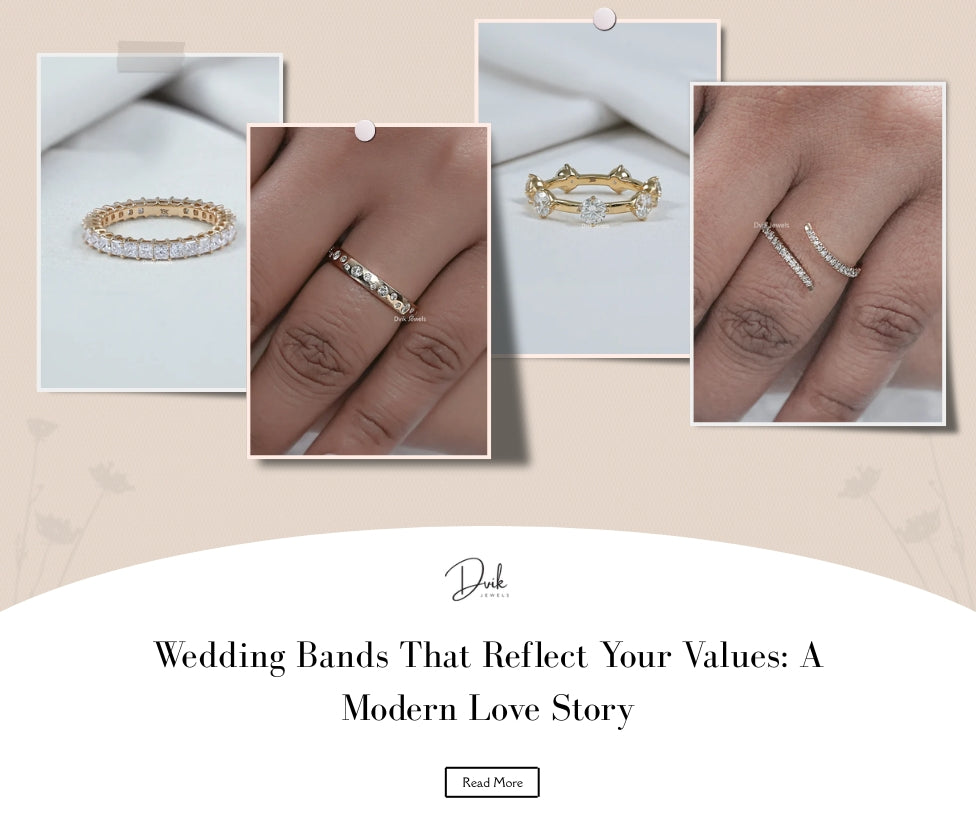
Full eternity bands present a design problem rather than a metal problem. Because stones run the entire circumference of the band, there’s no plain metal section to cut or stretch without disturbing a stone. Some jewelers can work around this by removing and resetting stones across the full band, but that’s a much more involved job with a price tag to match. If you’re shopping for a wedding band and know your size might shift over time, a half eternity band gives you the same visual impact with a plain section at the back that a jeweler can actually work with later, which is a practical reason to consider the style beyond aesthetics alone.
Tension-set rings are another category to approach carefully. The stone is held purely by the pressure of the band; resize the band and you change that pressure, which risks the stone becoming loose or falling out entirely.
Know the Price Before You Pay It
Ring resizing is less expensive than most people fear for gold and silver, and more expensive than many expect for platinum or stone-heavy designs. The base fee is rarely the whole story. Rhodium plating, stone removal, and regional labor all move the final number in ways that a vague quote won’t capture.
The safest approach: get a written, itemized quote before approving any work, confirm whether polishing and stone security checks are included, and ask which technique the jeweler uses. Reputable shops won’t hesitate to answer. If you want to reduce the likelihood of ever needing a resize, choosing a design with a plain section at the back of the band gives you options that a full stone-set ring simply doesn’t.
Frequently Asked Questions
1. How much does it cost to resize a ring at a chain jewelry store versus an independent jeweler?
Chain stores like Zales or Jared often have standardized pricing that can feel predictable, but independent jewelers frequently offer more competitive rates for straightforward jobs. Independent shops also tend to use more flexible pricing for complex work. Getting quotes from both before committing is always worth the extra phone call.
2. Can a lab grown diamond ring be resized the same way as a mined diamond ring?
Yes. The resizing process works on the metal band, not the stone itself, so a lab grown diamond ring is resized exactly the same way as a mined diamond ring. The metal type and setting complexity determine the cost, not the origin of the diamond.
3. How long does ring resizing take, and is rush service worth it?
Standard resizing takes three to ten business days at most shops. Rush service for 24 to 48 hour turnaround typically adds $25 to $60 to the bill and is available mainly for simple sizing-down jobs. For anything involving stone removal or laser welding, rushing the timeline increases the risk of errors, so it’s usually better to wait.
4. Will resizing a ring damage the finish or weaken the metal?
The real risk isn’t the resize itself but poor execution: weak solder joints, mismatched metal at the seam, or skipped polishing steps are the warning signs. Always ask whether the shop offers a warranty covering both seam integrity and stone security after the work is complete, and walk away from any jeweler who refuses to answer.
5. Is there a maximum number of times a ring can be resized?
Most rings in gold or platinum can be resized two to three times over their lifetime before the metal at the seam becomes a concern. Each resize removes roughly 0.1 to 0.2 mm of metal at the work site, so very thin bands or rings that have already been resized multiple times may eventually need a full shank replacement rather than another standard resize.